
Food guide
Sabah Traditional Food: 10 Dishes to Know
A field guide to Sabah's traditional dishes, from hinava and pinasakan to tuhau, linopot and latok: what they are, how they taste and where to eat them.
Updated
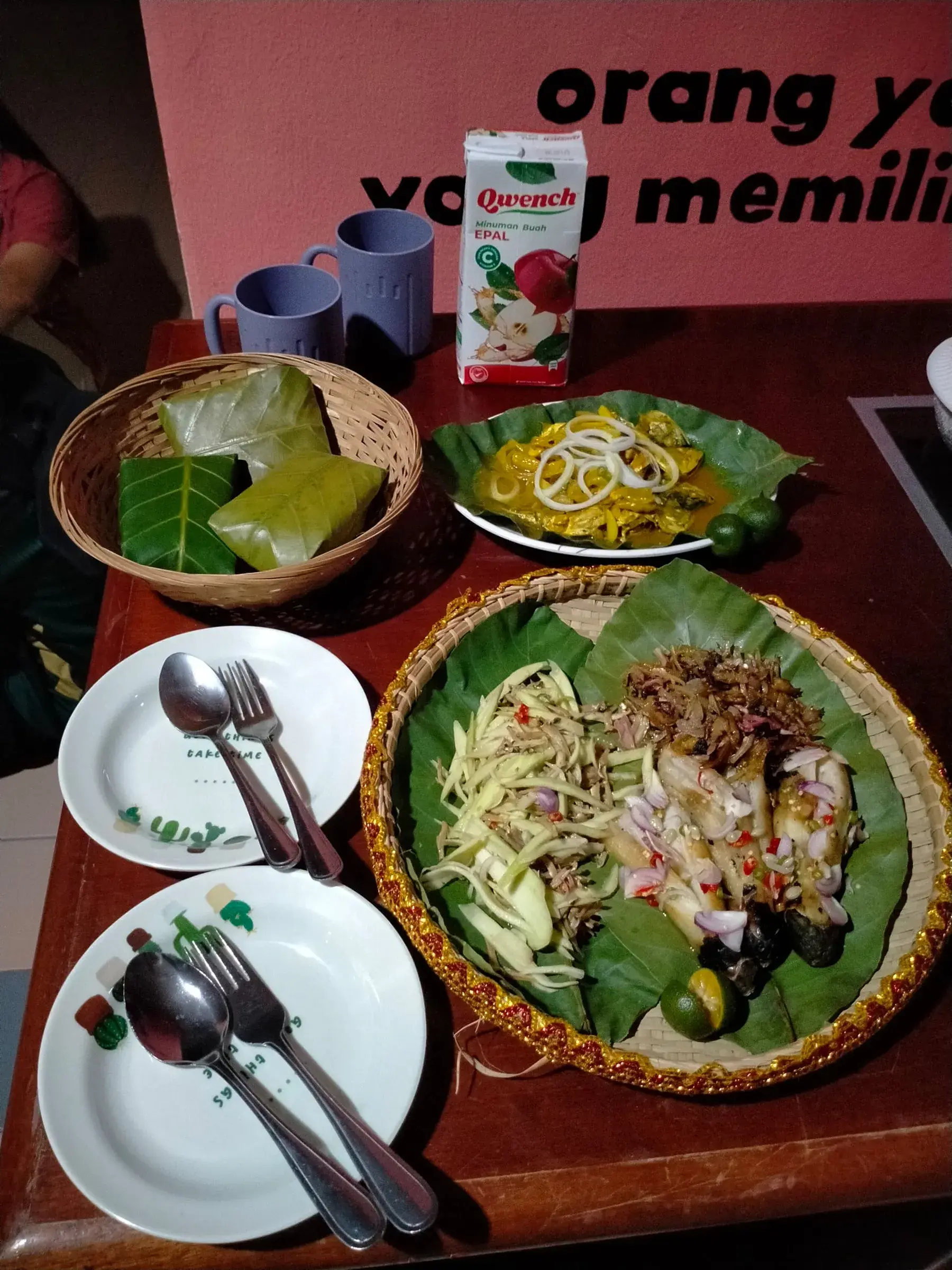
Sabah's traditional food comes from more than 30 indigenous groups and the Chinese, Malay and other communities that settled alongside them. It is sour, fresh and resourceful: lime-cured fish, wild ginger, forest fruits and rice wrapped in leaves.
Start with the Kadazan-Dusun dishes below, then explore the coastal Bajau and town noodle traditions.
Quick recommendations
Kadazan-Dusun essentials
The core Kadazan-Dusun dishes are hinava, pinasakan, tuhau, bambangan and linopot, usually eaten together as a shared meal.
Penampang, next to KK, is the easiest place to try them all.
Kadazan-Dusun
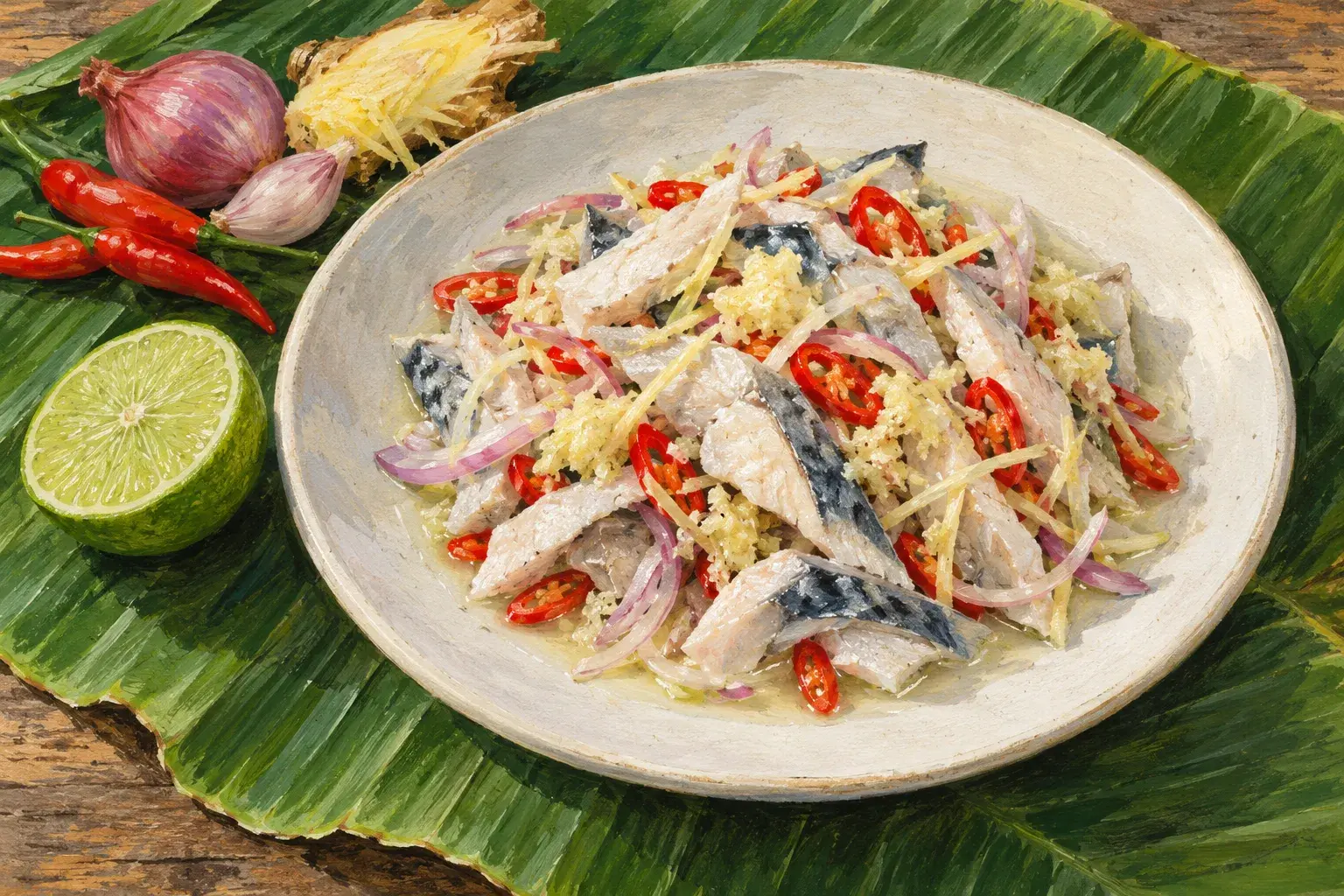
Hinava
Hinava is a Kadazan-Dusun dish of raw fish cured in lime juice and tossed with chilli, shallot, ginger and grated bambangan seed. It is fresh, sour and sharp, and it's served as a side with rice.
Kadazan-Dusun
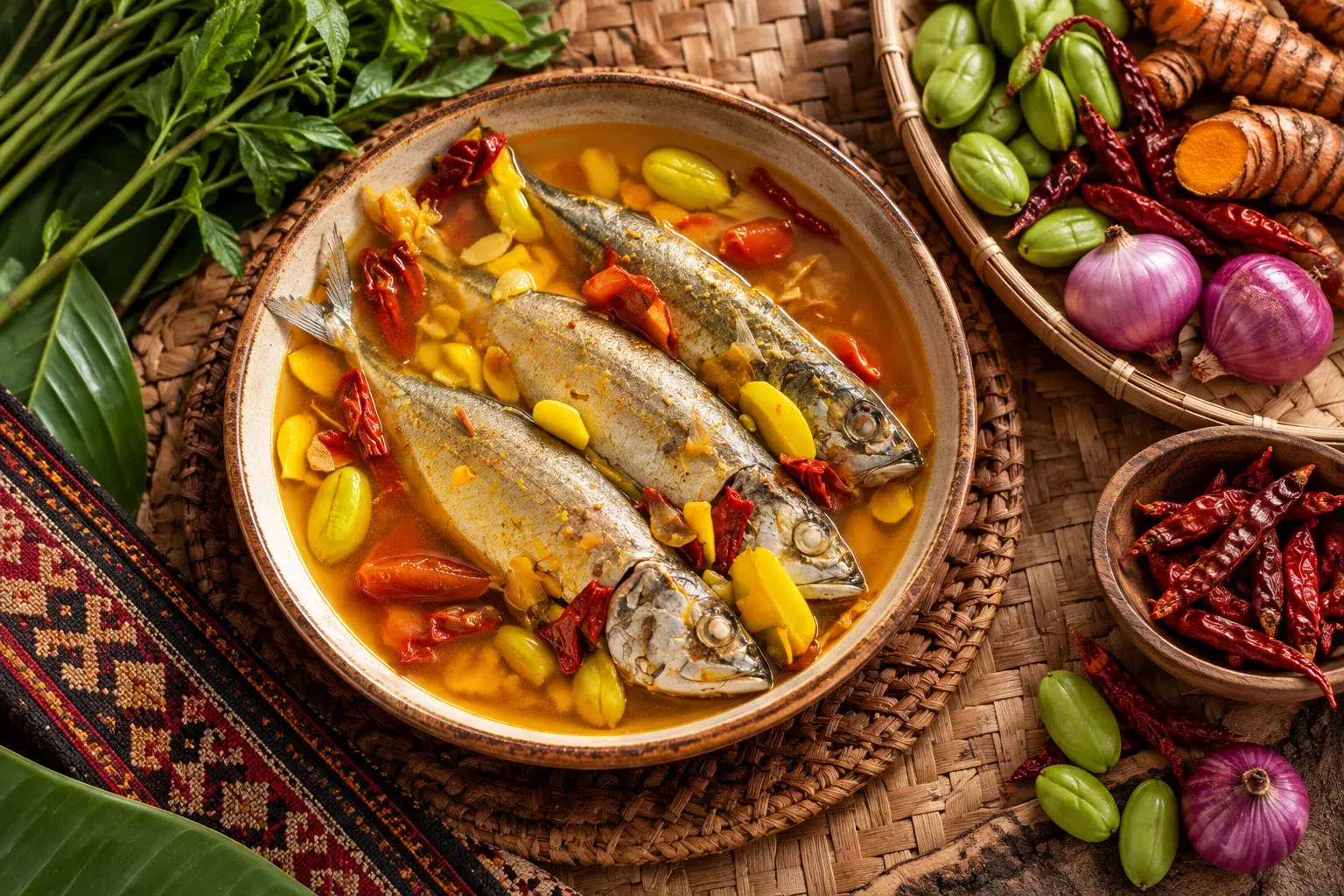
Pinasakan
Pinasakan (pinaasakan sada) is a Kadazan-Dusun dish of fish, often mackerel scad, simmered without oil in a sour broth of takob akob fruit, turmeric and salt until the liquid reduces and the fish keeps for days.
Kadazan-Dusun
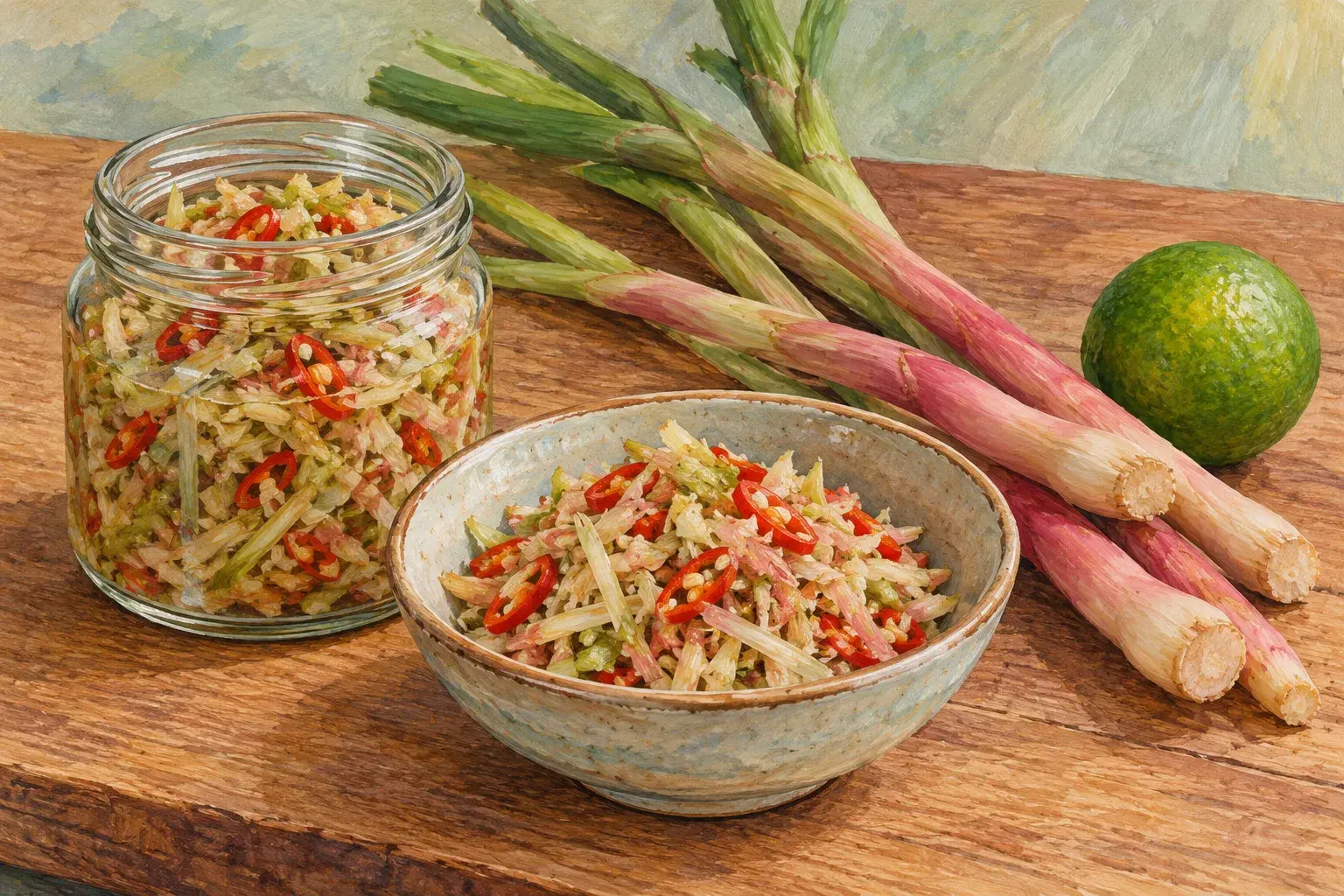
Tuhau
Tuhau is a pungent Kadazan-Dusun and Murut relish made from the stems of a wild ginger (Etlingera coccinea), chopped and mixed with chilli, lime or vinegar and salt. It is eaten in small amounts with rice and fish.
Kadazan-Dusun
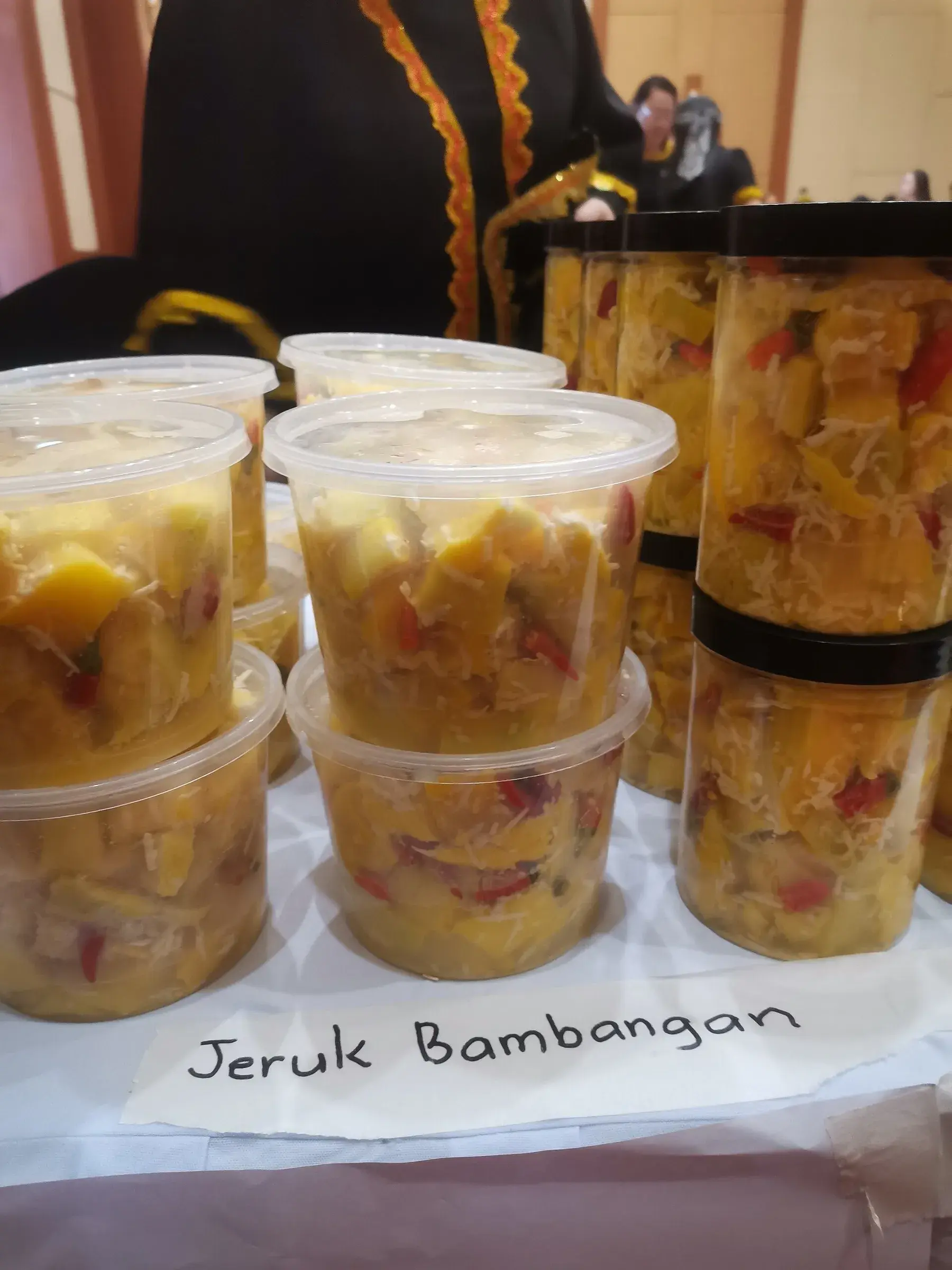
Bambangan
Bambangan is a large wild mango (Mangifera pajang) native to Borneo, with rough brown skin and bright yellow-orange flesh. In Sabah it is best known pickled with salt and its own grated seed, as a sour relish for rice.
Kadazan-Dusun
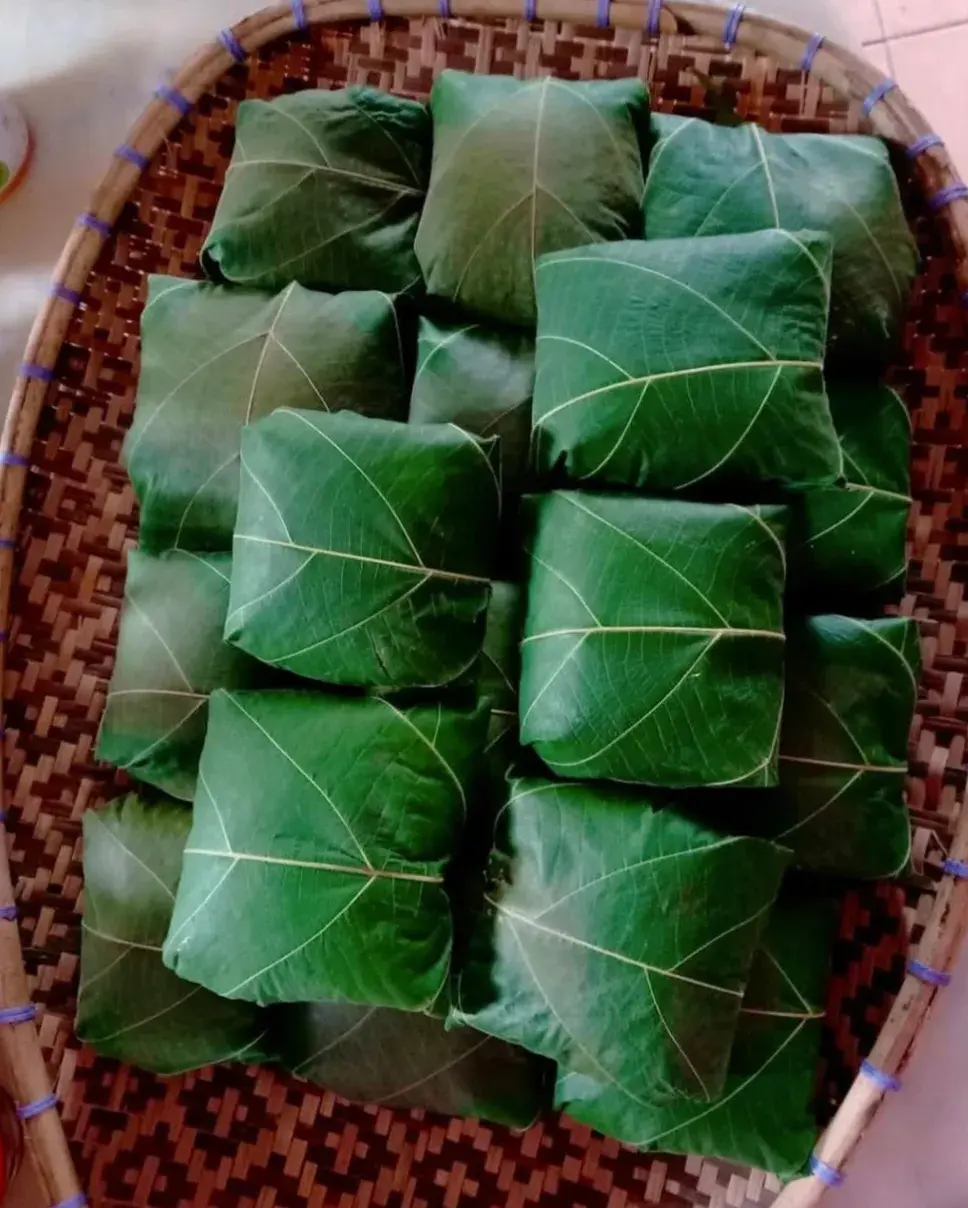
Linopot
Linopot is rice, usually hill rice or a mix with sticky rice, wrapped in a doringin, tarap or banana leaf into a neat parcel. It is the traditional Kadazan-Dusun, Murut and Rungus way to carry and serve rice with side dishes.
Kadazan-Dusun
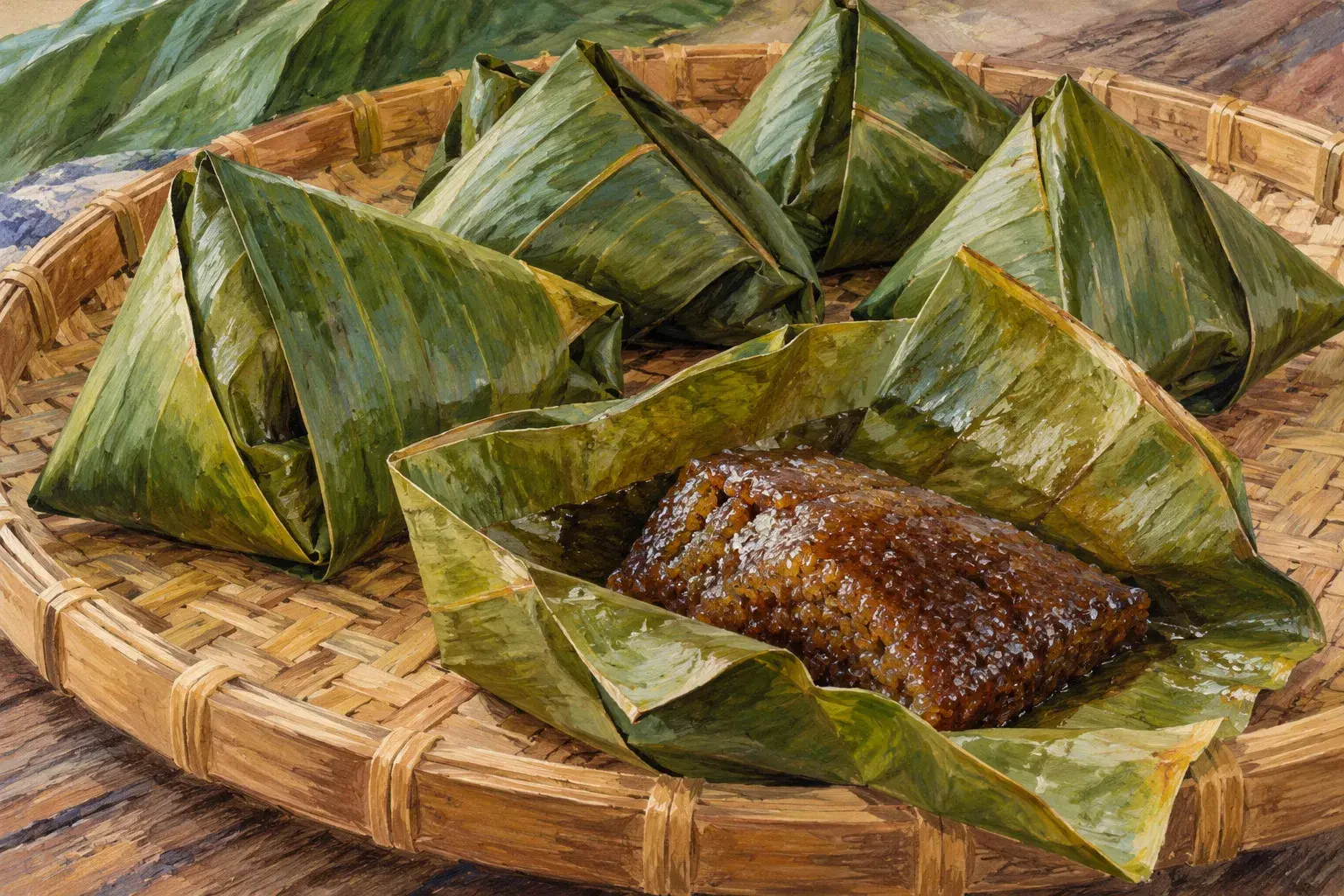
Hinompuka
Hinompuka is a Kadazan-Dusun steamed rice cake made from glutinous rice flour and palm or brown sugar, wrapped in banana leaf. It is sweet, chewy and fragrant, and especially associated with the Kadazan of Penampang.
From the coast
On the east coast, Bajau and Suluk cooking brings latok (sea grapes), grilled fish and cassava staples.
Bajau
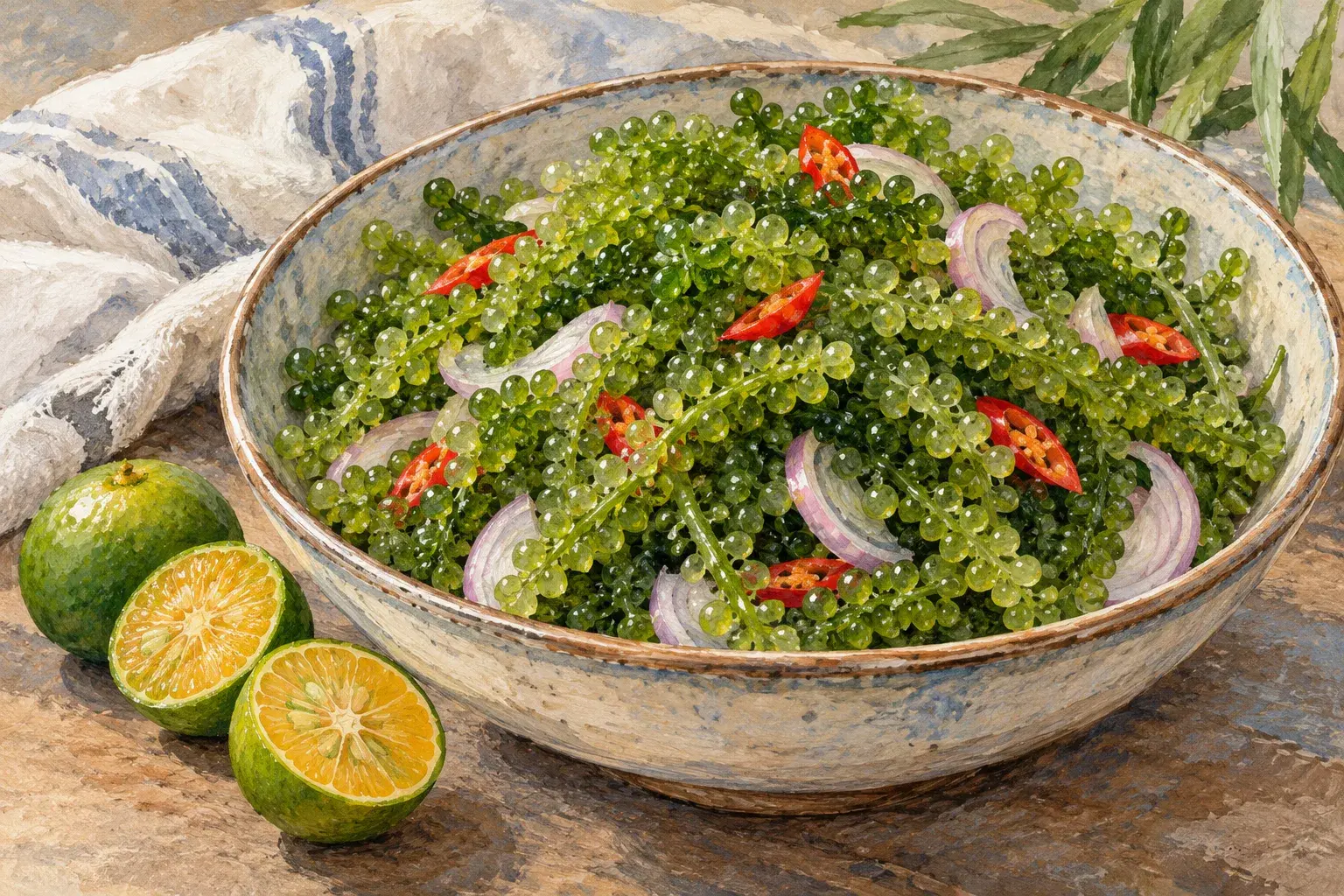
Latok
Latok is an edible seaweed (Caulerpa lentillifera) made of tiny green bead-like bubbles that pop in the mouth. On Sabah's coasts it is eaten raw with lime, chilli and shallot as a salad.
Town noodles
Sabah's Chinese communities created noodle dishes named after places: Tuaran mee and Beaufort mee, plus KK's ngiu chap.
Sabahan Chinese (Hakka)
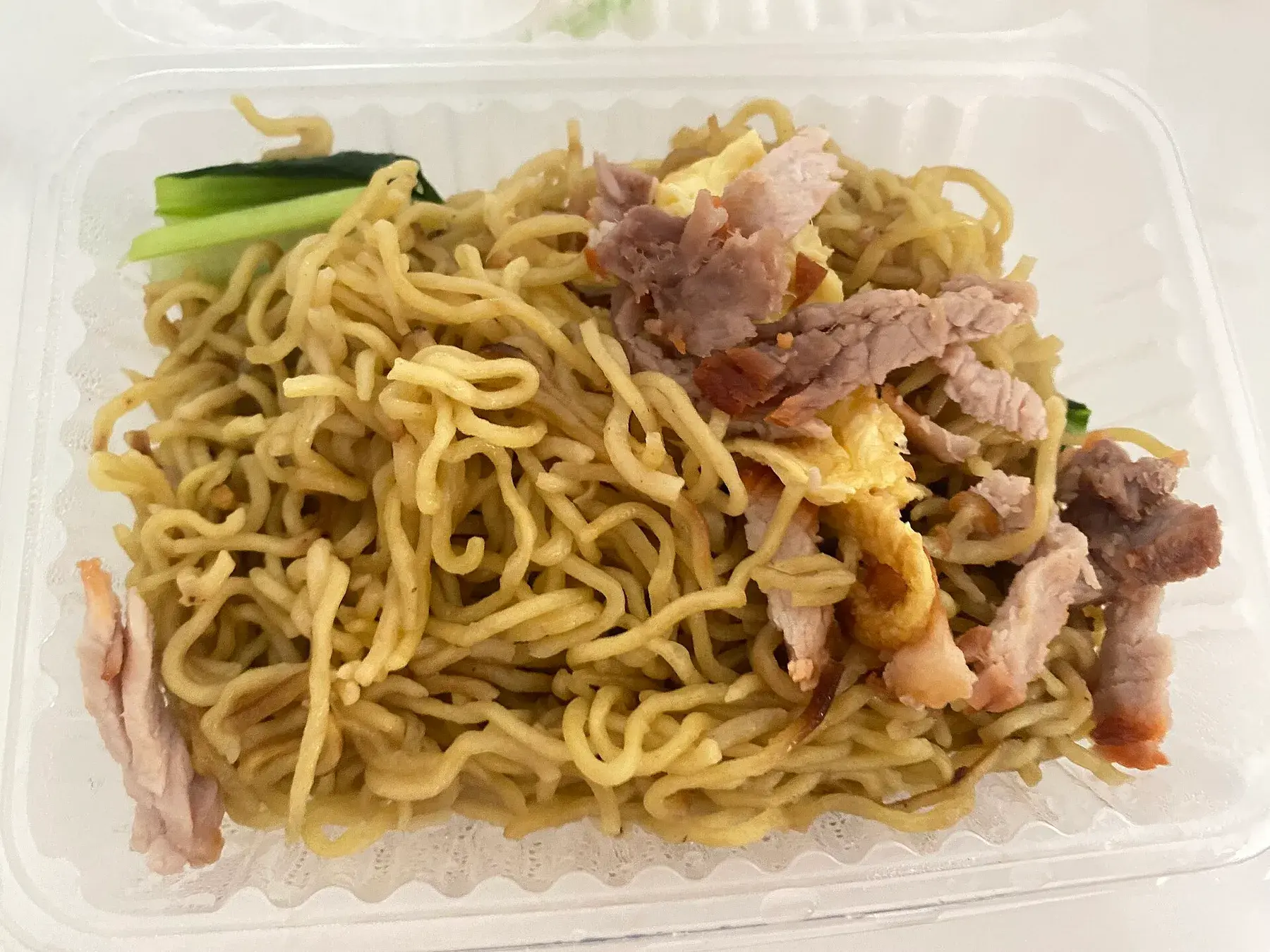
Tuaran Mee
Tuaran mee is a Sabah noodle dish of hand-made egg noodles fried hard in a wok until springy and slightly crisp, served with char siu, choy sum and egg roll. It comes from the town of Tuaran, north of Kota Kinabalu.
Sabahan Chinese
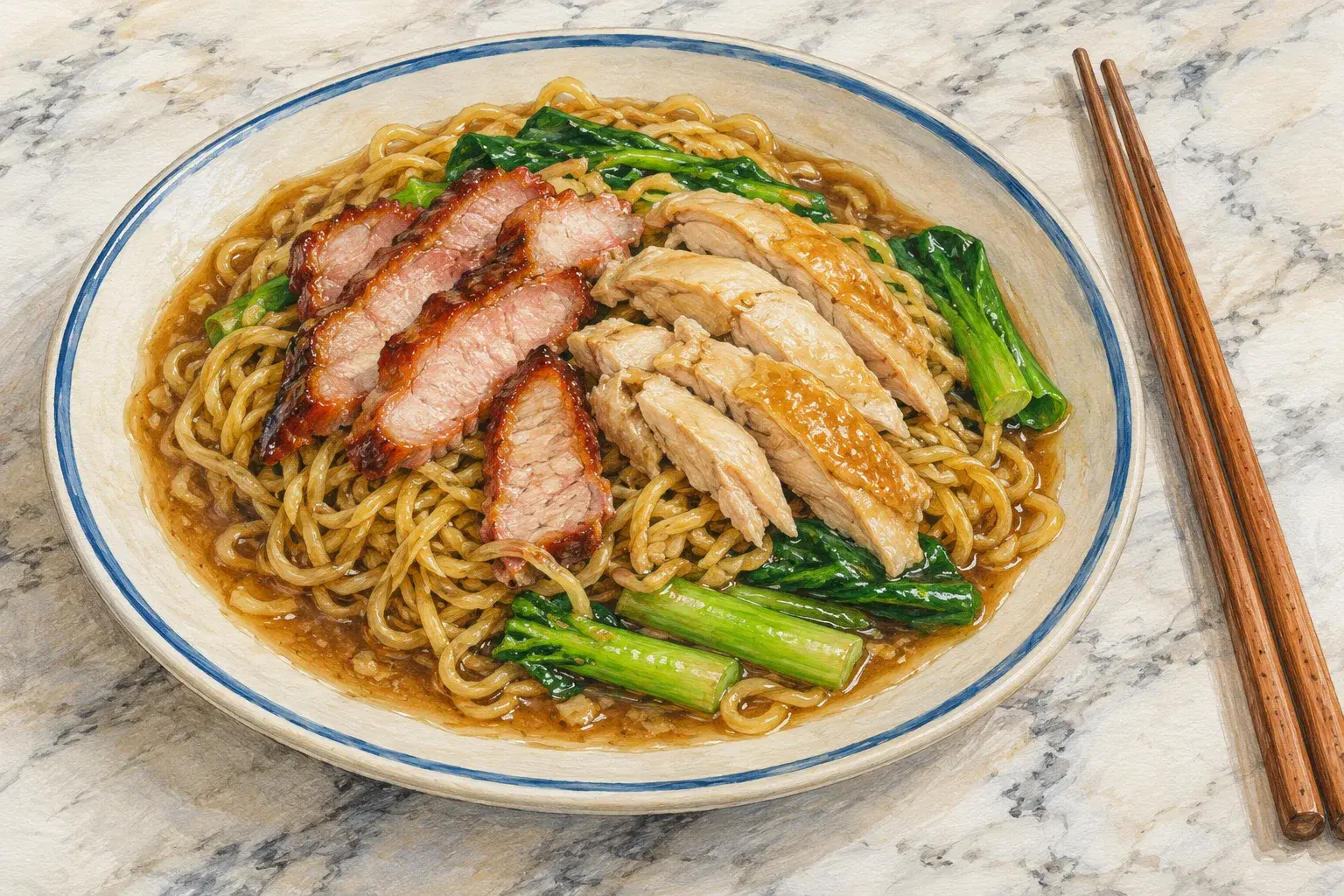
Beaufort Mee
Beaufort mee is a 'wet' fried noodle from the town of Beaufort in south-west Sabah: springy egg noodles tossed in a hot wok, then finished in a garlicky gravy with char siu or chicken and crunchy greens.
Sabahan Chinese (Hakka)
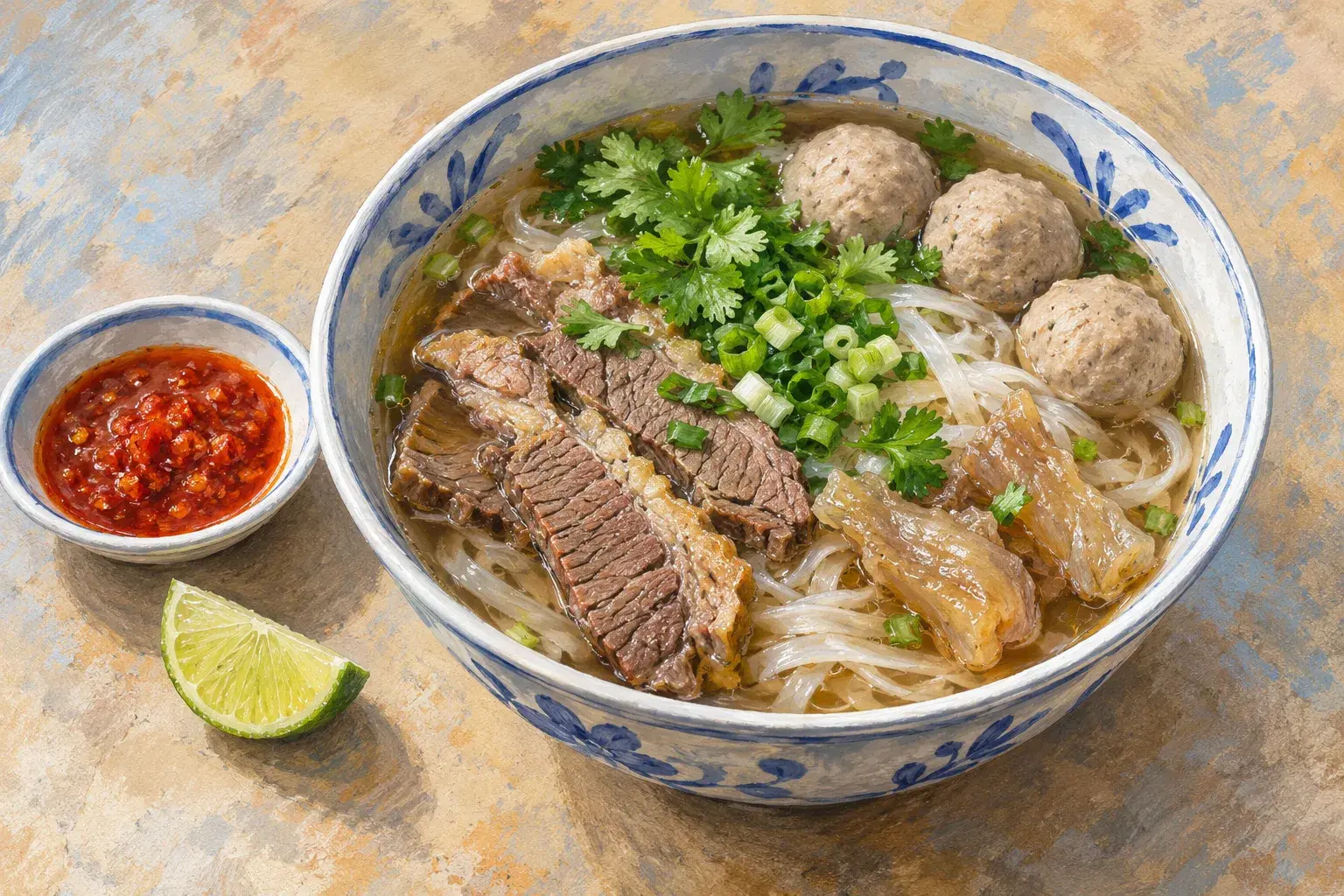
Ngiu Chap
Ngiu chap ('mixed beef' in Hakka) is a Kota Kinabalu beef noodle soup with brisket, tendon, tripe and beef balls in a spiced broth, served with noodles either in the soup or dry on the side.
Map
Schematic map, not to scale. Select a town to see where to eat.
Frequently asked questions
What is Sabah's most famous traditional food?
Hinava, the Kadazan-Dusun dish of raw fish cured in lime juice, is Sabah's best-known traditional food and a national heritage dish.
Where can I try Sabah traditional food?
Penampang near Kota Kinabalu is the easiest place, especially during the Kaamatan festival in May. Tamu markets across the state also sell traditional food.
Related guides
Food guide
Best Food in Kota Kinabalu: What to Eat and Where
The dishes worth planning a KK trip around, from ngiu chap breakfasts to Kadazan-Dusun lunches and seafood by the kilo, and how to fit them into a day.
Updated
Food guide
Halal Food in Kota Kinabalu: A Practical Guide
How to find halal and Muslim-friendly food in KK, what 'pork-free' really means, and which local dishes are naturally halal.
Updated