
Kadazan-Dusun · Murut · Rungus · main
Linopot
Also called: Linongot
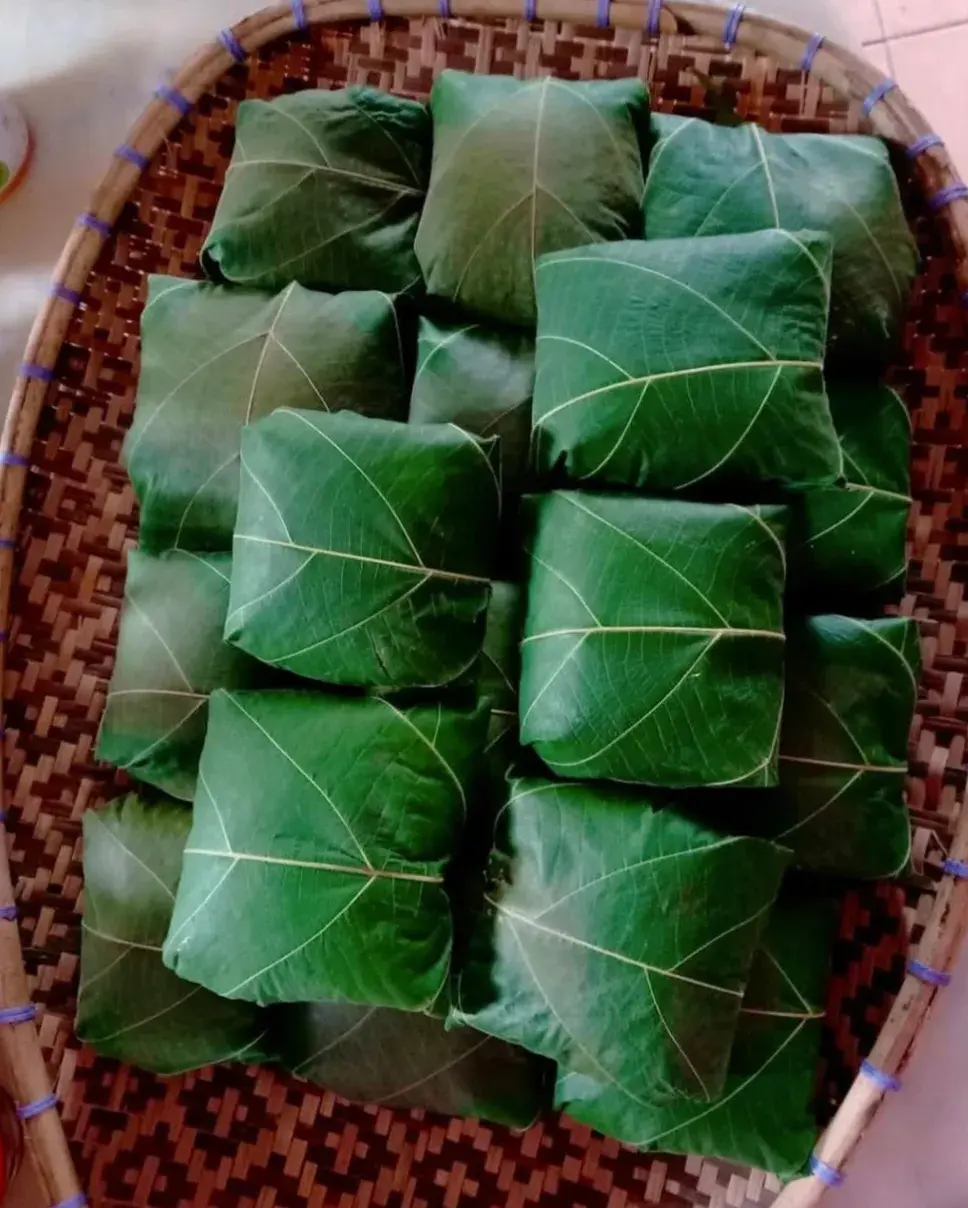
Linopot is rice, usually hill rice or a mix with sticky rice, wrapped in a doringin, tarap or banana leaf into a neat parcel. It is the traditional Kadazan-Dusun, Murut and Rungus way to carry and serve rice with side dishes.
- Earthy
- Mild
- Fragrant
Updated
| Origin | Sabah |
|---|---|
| Community | Kadazan-Dusun, Murut, Rungus |
| Type | main |
| Flavour | Earthy, Mild, Fragrant |
| Typical price | RM2–5 per parcel |
| Where | Penampang, Ranau, Keningau |
Origin and culture
Linopot began as a practical packed lunch for farmers heading to the fields: rice wrapped in a large leaf keeps warm, stays clean and picks up a mild fragrance from the wrapper.
Today it is a centrepiece at Kaamatan and a common order at restaurants serving traditional food, where it arrives with sides such as hinava, pinasakan, tuhau and bambangan.
Ingredients
Hill rice or sticky rice
Sometimes mixed with tapioca or sweet potato
Doringin, tarap or banana leaf
Used as the wrapper
What does Linopot taste like?
Nutty, slightly chewy rice with a faint green, leafy aroma. It tastes plain by design, and the side dishes bring the flavour.
How Linopot is made
- 1
Cooked rice is spooned onto a softened leaf, folded into a tight square parcel and tied or tucked closed.
- 2
The parcels are served as they are; diners unwrap and eat from the leaf.
Where to eat Linopot
Kadazan-Dusun restaurants in Penampang and Kota Kinabalu, Kaamatan stalls, and tamu markets.
Restaurants serving Linopot
- Cafe
Penampang · Pavilion Bundusan
Housia Cafe
Sources mention: Tavantang set (linopot, hinava, fried basung, tuhau), Hinava
Kadazan-DusunSabah LocalStatus unconfirmedResearched from 2 sources · not yet visited
Is Linopot halal? Dietary notes
Rice and leaf only, so halal by ingredients. The sides served with it may not be.
| Pork | No pork |
|---|---|
| Seafood | No seafood |
| Vegetarian | Yes |
Linopot FAQ
What leaf is linopot wrapped in?
Traditionally doringin or tarap leaves, and sometimes banana leaves. The leaf adds a light fragrance and keeps the rice warm.
What do you eat with linopot?
Typical sides are hinava, pinasakan (braised fish), tuhau, bambangan pickle and grilled fish or meat.
Sources and further reading
- Linopot, Wikipedia. Accessed 6 October 2026
Related dishes
Kadazan-Dusun
Hinava
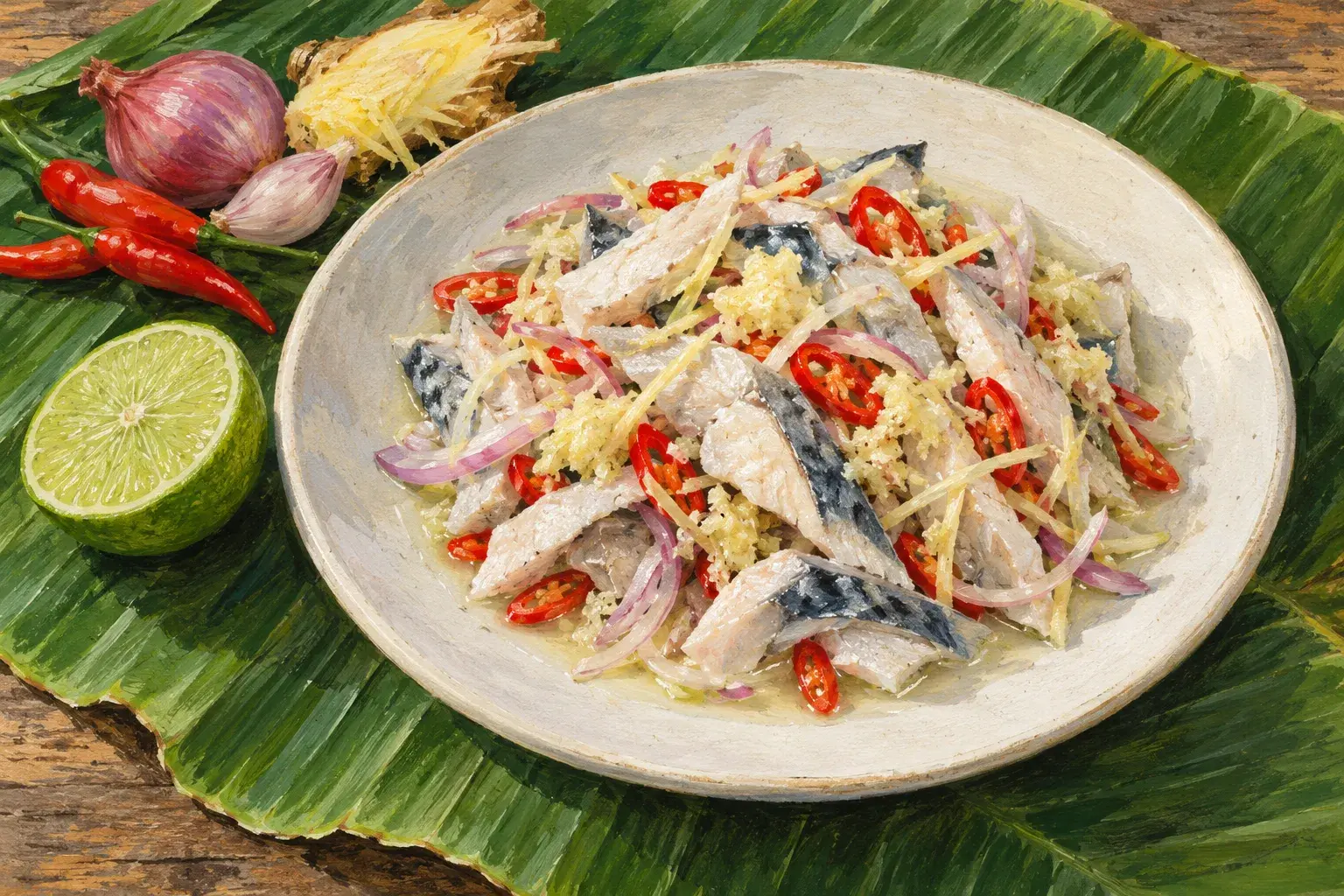
Hinava is a Kadazan-Dusun dish of raw fish cured in lime juice and tossed with chilli, shallot, ginger and grated bambangan seed. It is fresh, sour and sharp, and it's served as a side with rice.
Kadazan-Dusun
Pinasakan
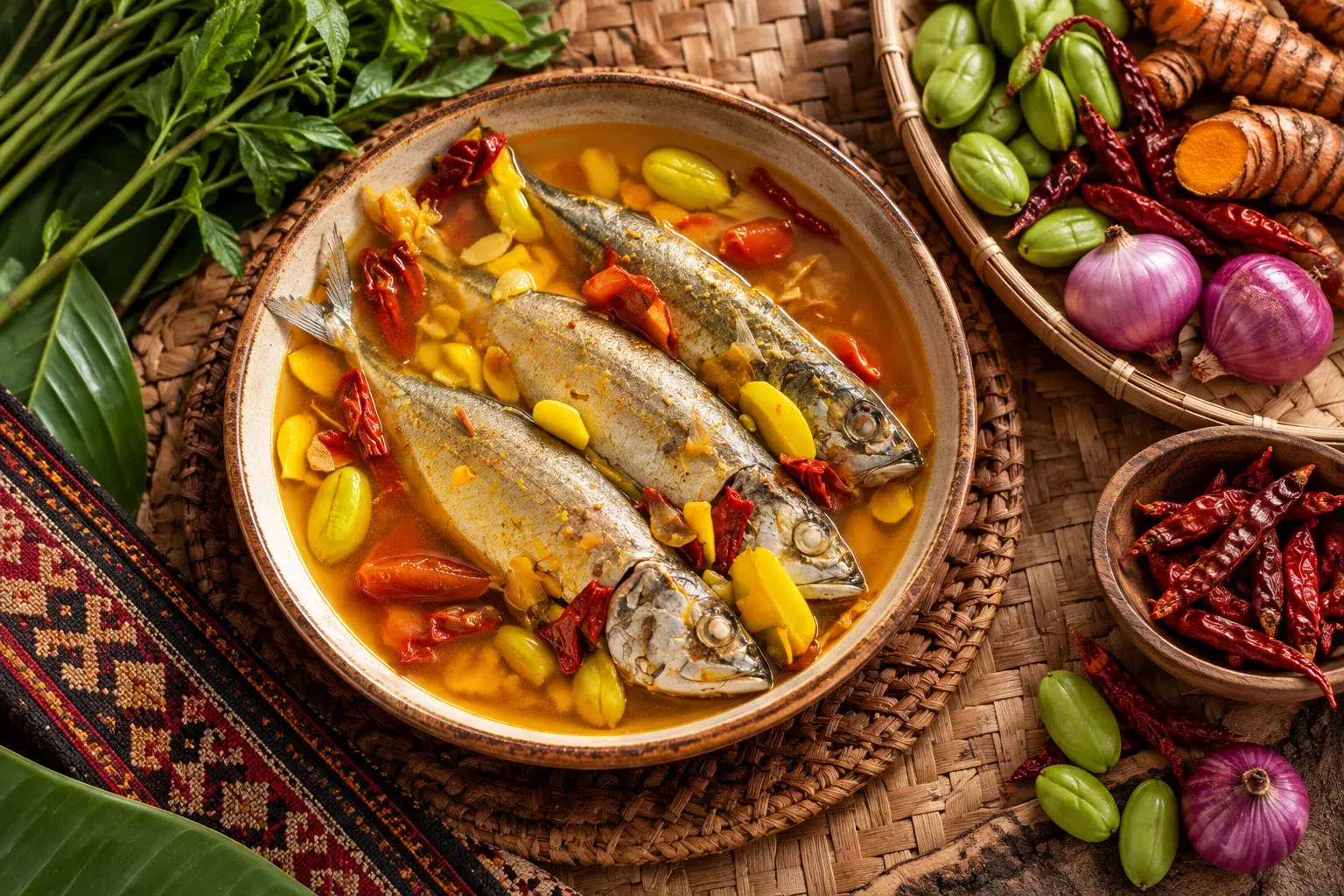
Pinasakan (pinaasakan sada) is a Kadazan-Dusun dish of fish, often mackerel scad, simmered without oil in a sour broth of takob akob fruit, turmeric and salt until the liquid reduces and the fish keeps for days.
Kadazan-Dusun
Tuhau
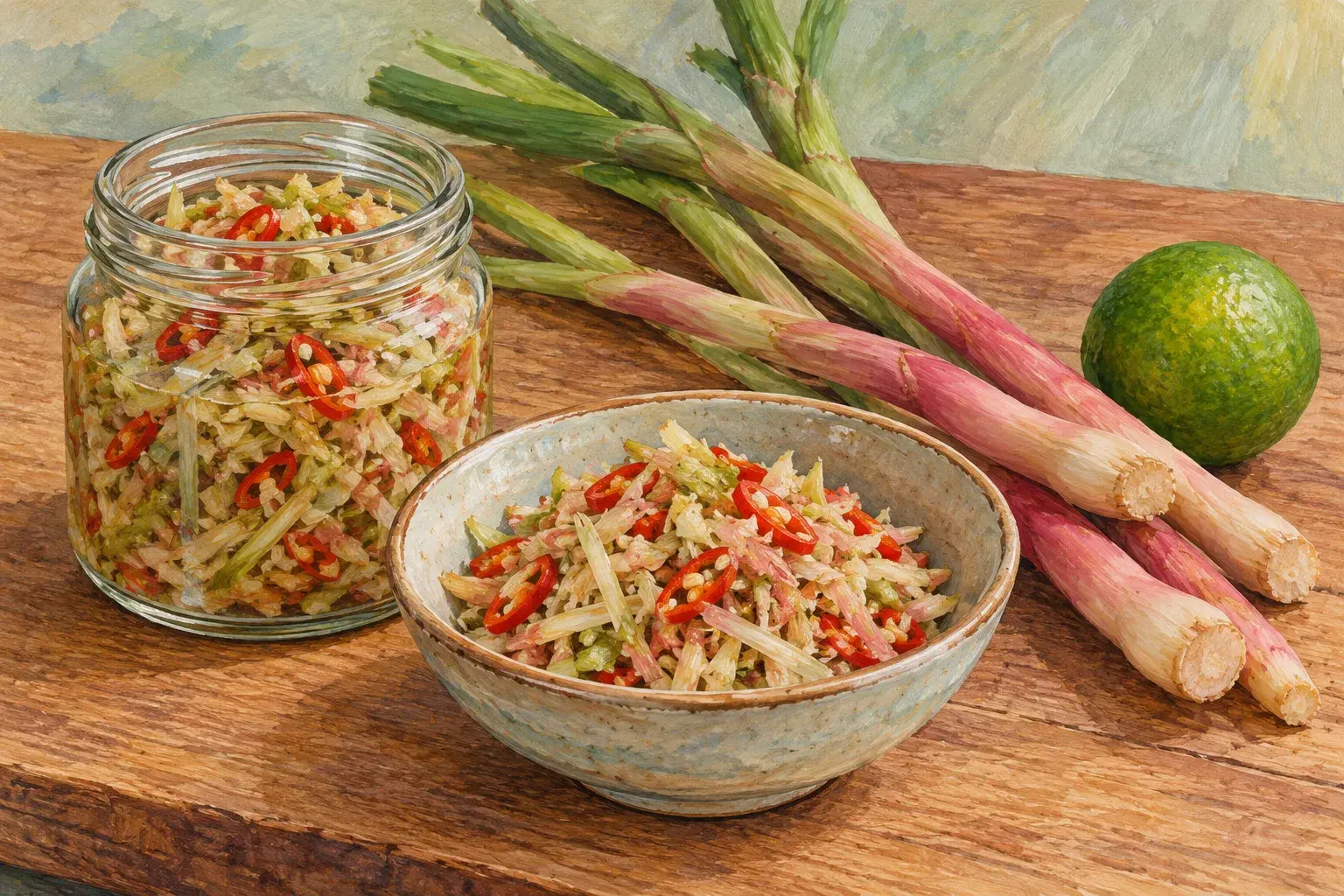
Tuhau is a pungent Kadazan-Dusun and Murut relish made from the stems of a wild ginger (Etlingera coccinea), chopped and mixed with chilli, lime or vinegar and salt. It is eaten in small amounts with rice and fish.
Kadazan-Dusun
Bambangan
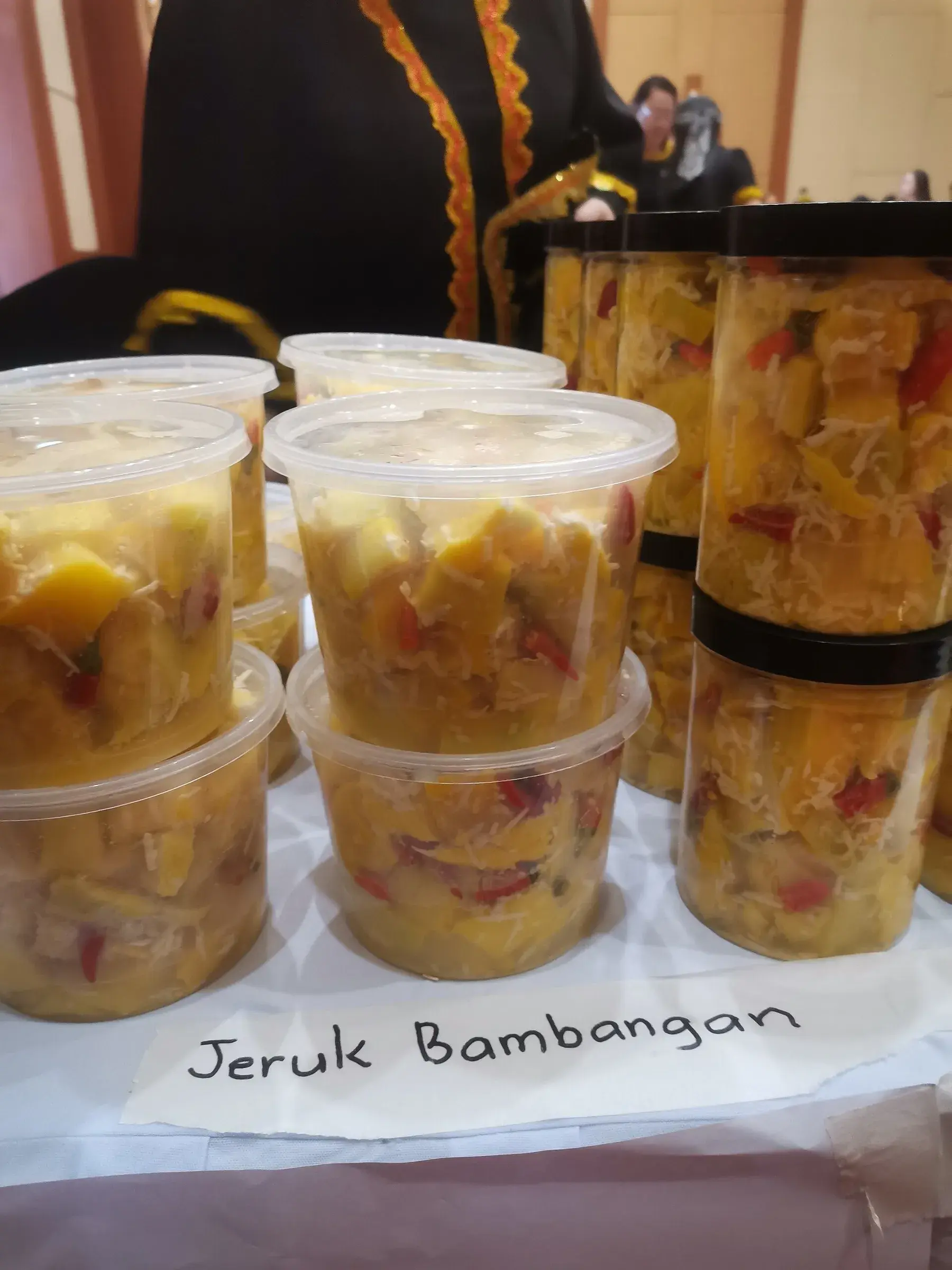
Bambangan is a large wild mango (Mangifera pajang) native to Borneo, with rough brown skin and bright yellow-orange flesh. In Sabah it is best known pickled with salt and its own grated seed, as a sour relish for rice.
Guides and trips with Linopot

Food guide
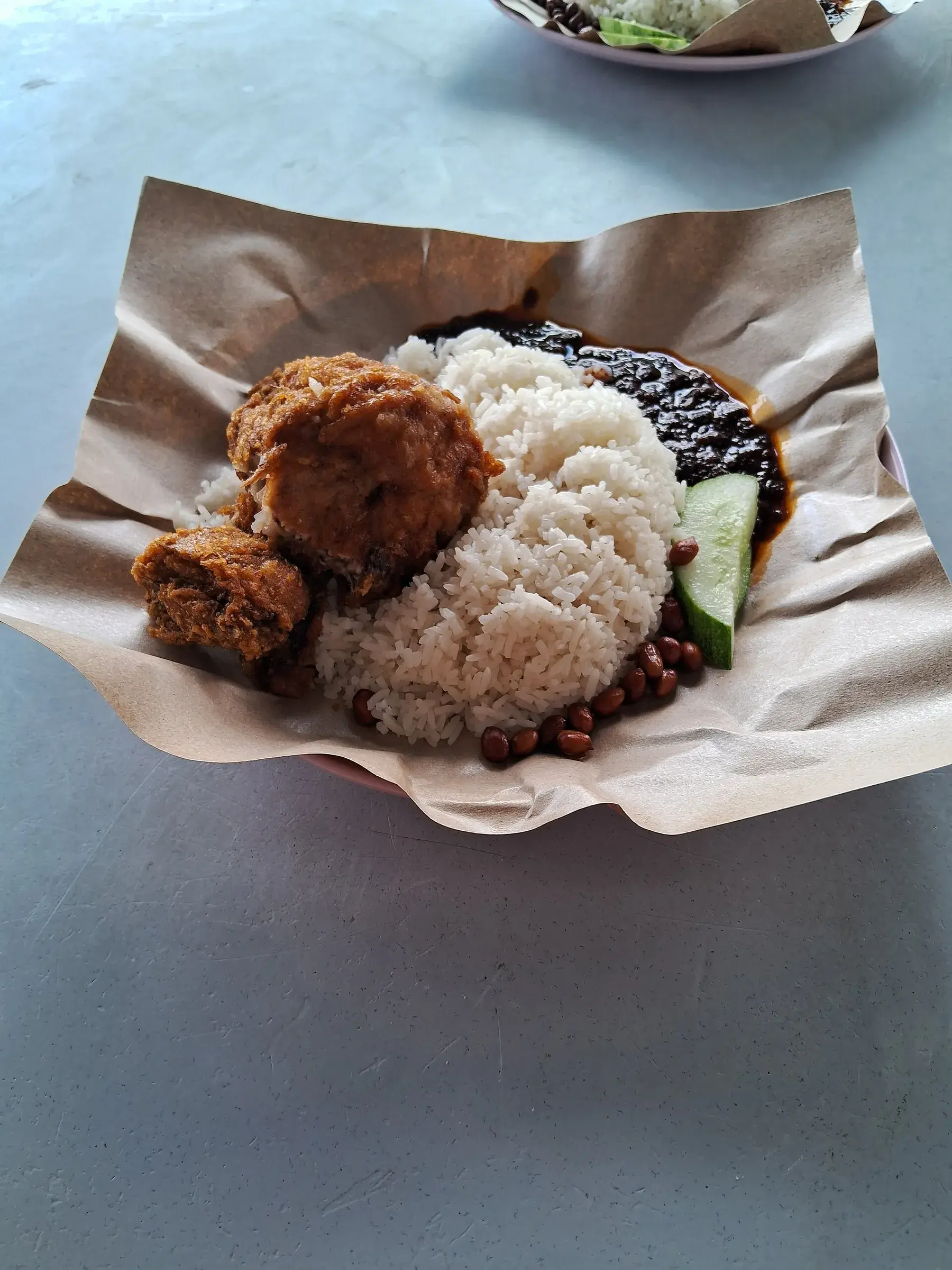
Best Food in Kota Kinabalu: What to Eat and Where
The dishes worth planning a KK trip around, from ngiu chap breakfasts to Kadazan-Dusun lunches and seafood by the kilo, and how to fit them into a day.
Updated
Food guide
Halal Food in Kota Kinabalu: A Practical Guide
How to find halal and Muslim-friendly food in KK, what 'pork-free' really means, and which local dishes are naturally halal.
Updated
Food guide
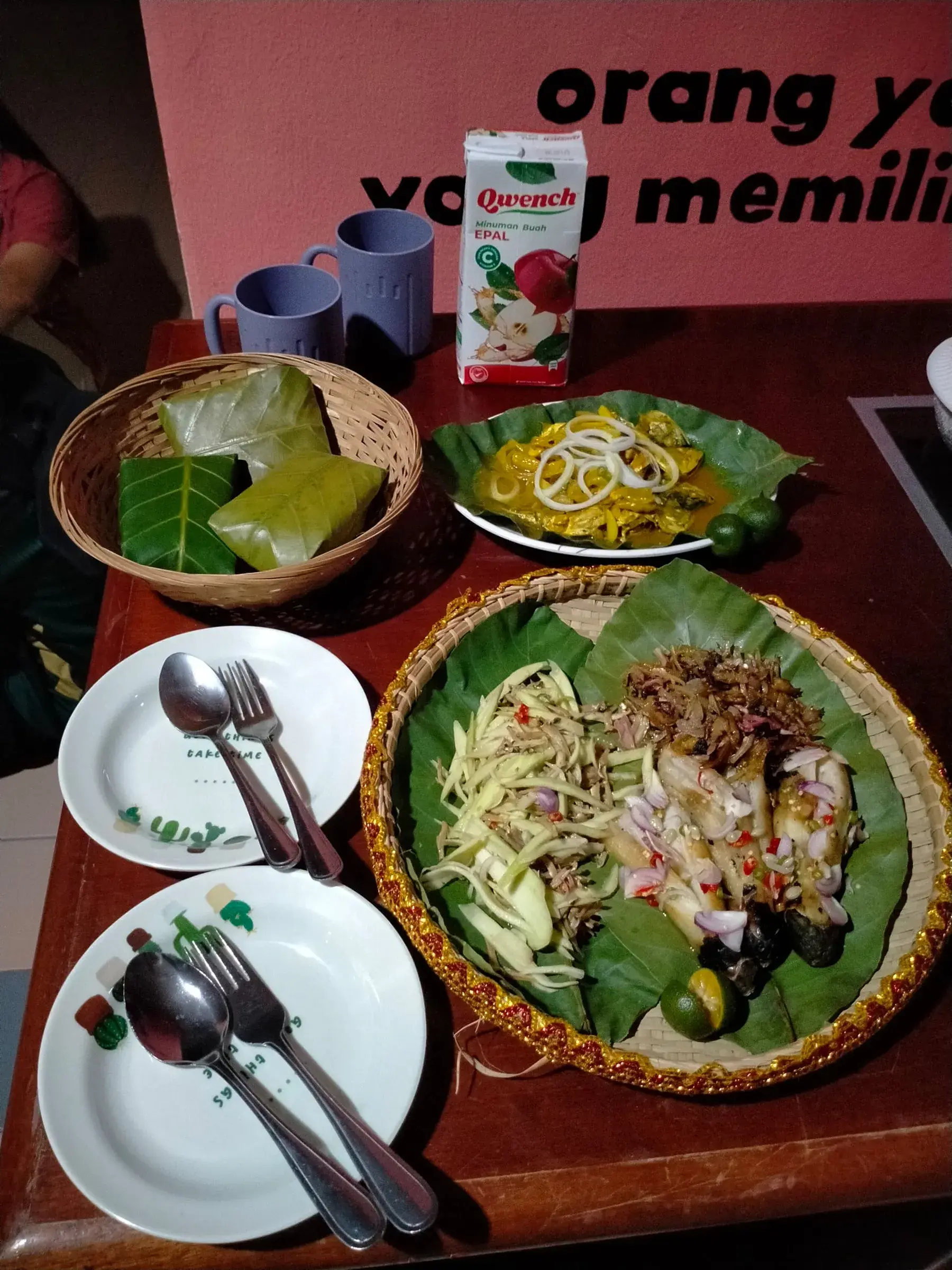
Sabah Traditional Food: 10 Dishes to Know
A field guide to Sabah's traditional dishes, from hinava and pinasakan to tuhau, linopot and latok: what they are, how they taste and where to eat them.
Updated
- 3-day plan
Food & travel
Kota Kinabalu Food Itinerary: 3 Days of Eating
Three days in and around KK: city noodles, a Kadazan-Dusun day in Penampang, and a Tuaran noodle run.