
Food guide
Halal Food in Kota Kinabalu: A Practical Guide
How to find halal and Muslim-friendly food in KK, what 'pork-free' really means, and which local dishes are naturally halal.
Updated
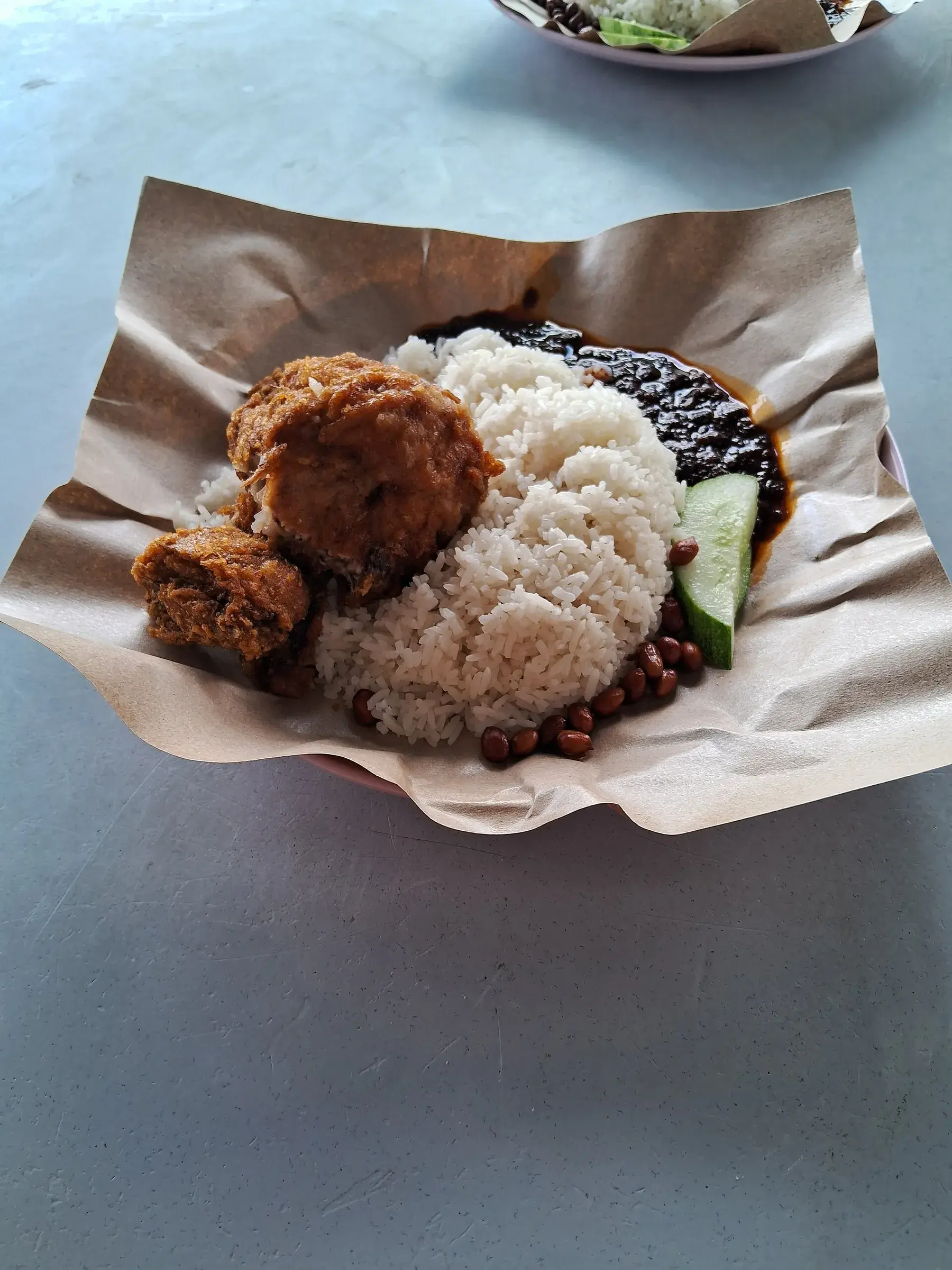
Kota Kinabalu is easy for Muslim travellers once you understand the labels. Malay, Indian-Muslim and many seafood restaurants are halal, while many Chinese coffee shops and some Kadazan-Dusun restaurants serve pork or alcohol.
This guide explains the categories we use on Sabah Food and how to check a restaurant yourself.
Quick recommendations
- Certified
- Look for a JAKIM or JHEAINS halal certificate on display
- Muslim-friendly
- Muslim-owned, no pork, but not formally certified
- Pork-free
- No pork on the menu. Not the same as halal
What our halal labels mean
'Halal certified' means a valid certificate is displayed. 'Muslim-friendly' means Muslim-owned with no pork but no certificate. 'Pork-free' means no pork on the menu, which is not halal.
Certification is issued in Malaysia by JAKIM and state religious authorities. Certificates expire, so check the date if it matters to you.
Where to find halal food in KK
Malay restaurants, Indian-Muslim (mamak) eateries and Muslim-owned seafood restaurants are the easiest options. Check for a certificate if you need certified halal.
Use the Dietary & halal filter in the restaurant directory to narrow any search.
Sabah dishes that are halal by ingredients
Hinava, latok, tuhau, bambangan, linopot and hinompuka contain no pork or alcohol by recipe, but the kitchen still determines whether a serving is halal.
Ask for these dishes at halal-certified restaurants or Muslim-owned stalls.
Kadazan-Dusun
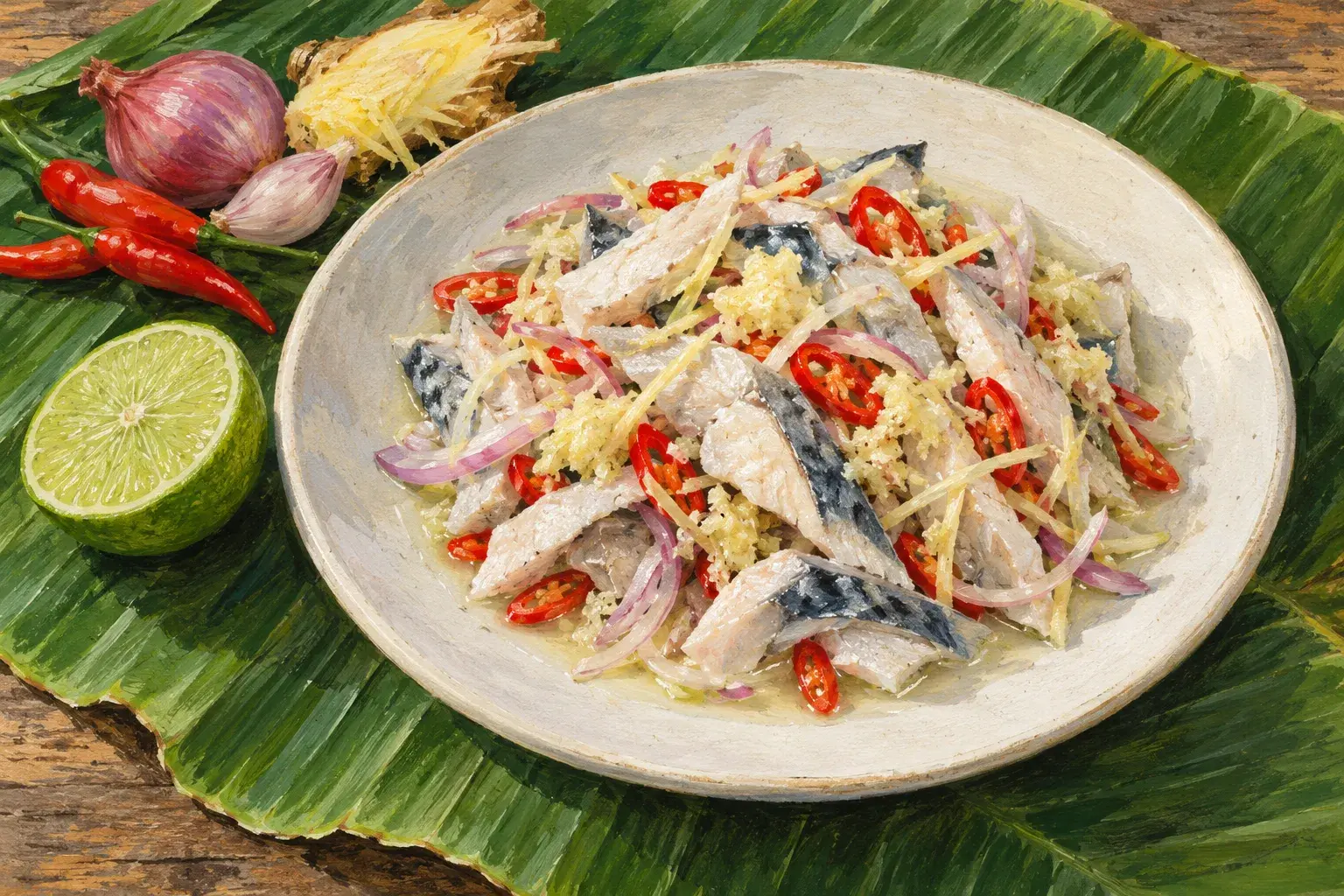
Hinava
Hinava is a Kadazan-Dusun dish of raw fish cured in lime juice and tossed with chilli, shallot, ginger and grated bambangan seed. It is fresh, sour and sharp, and it's served as a side with rice.
Bajau
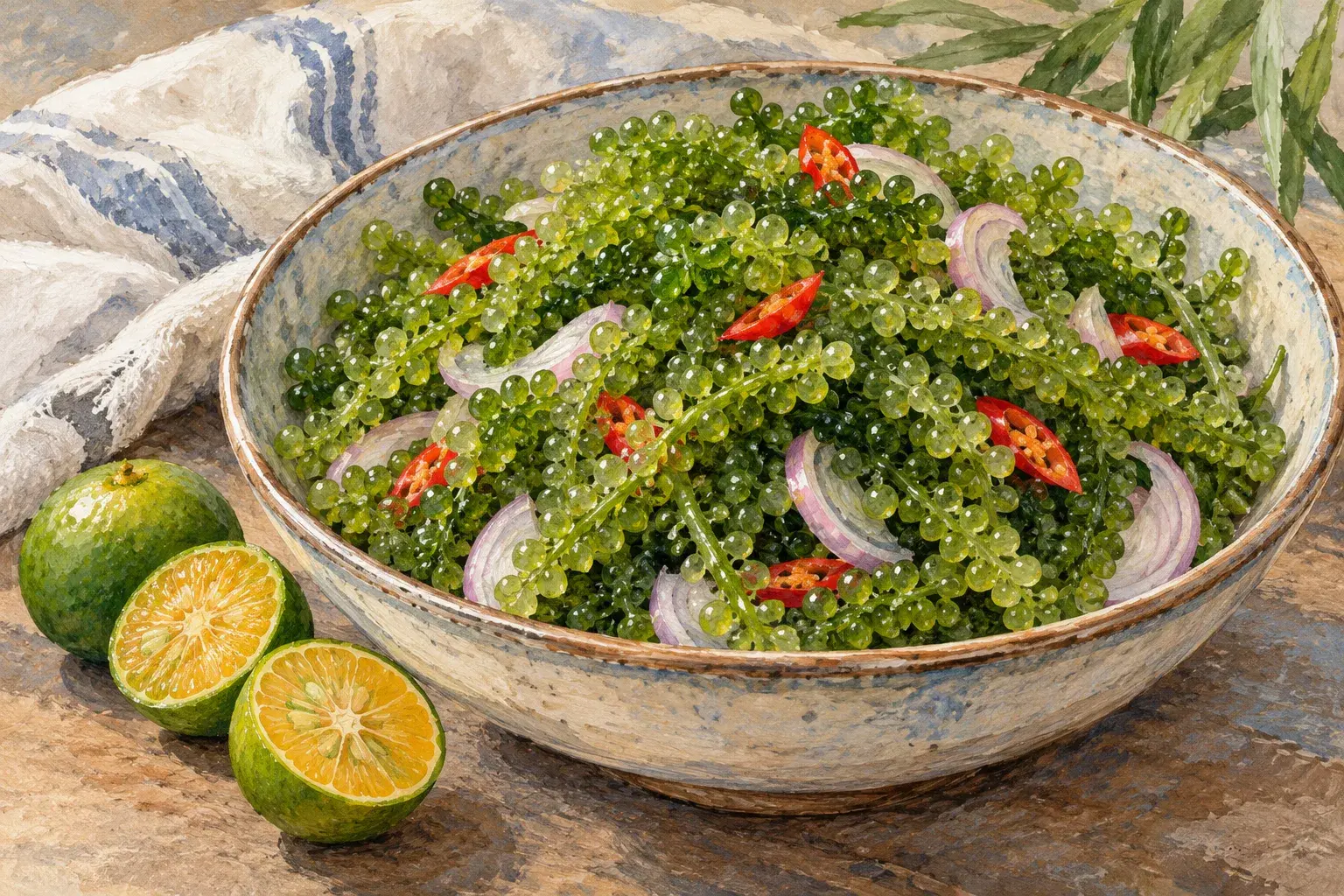
Latok
Latok is an edible seaweed (Caulerpa lentillifera) made of tiny green bead-like bubbles that pop in the mouth. On Sabah's coasts it is eaten raw with lime, chilli and shallot as a salad.
Kadazan-Dusun
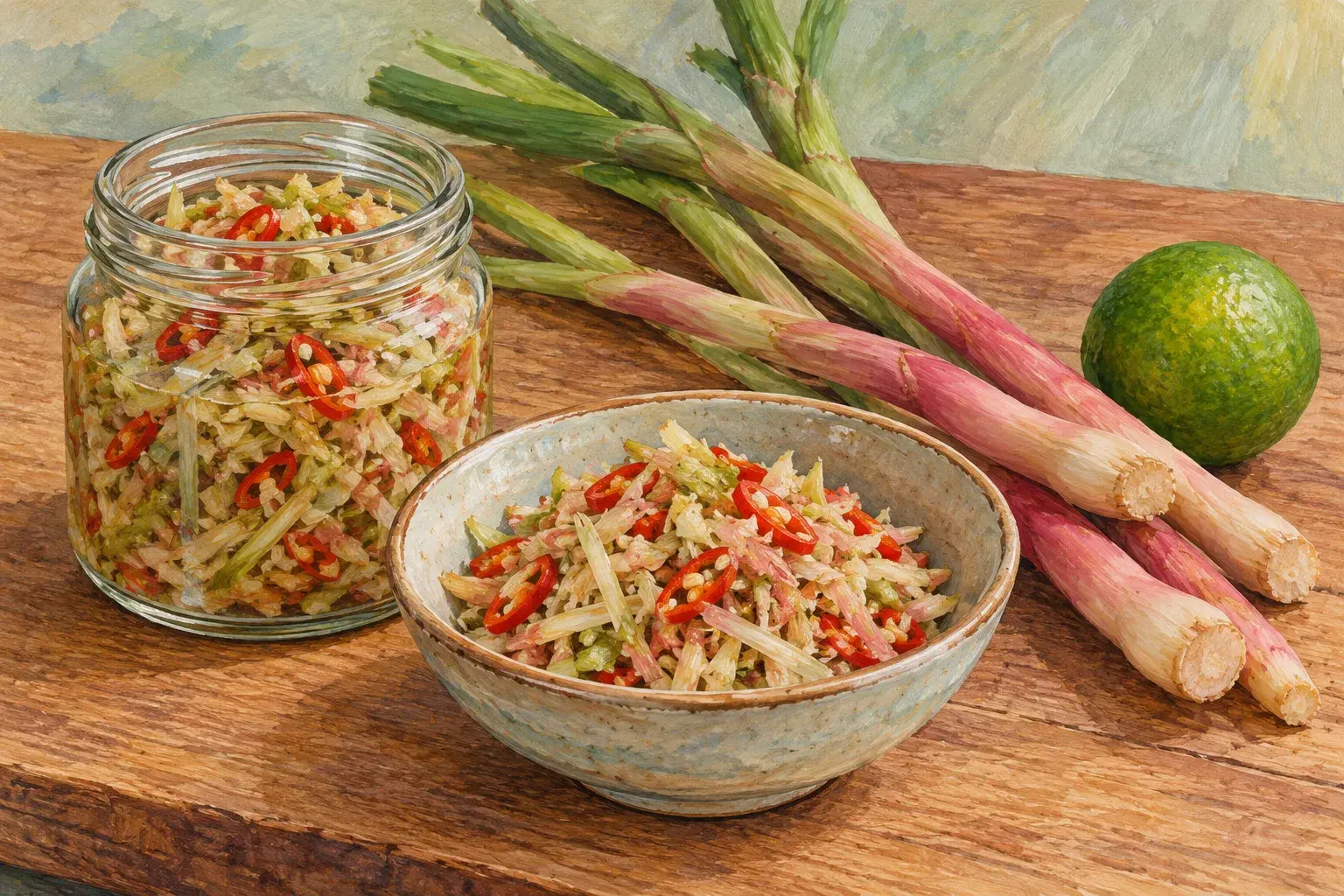
Tuhau
Tuhau is a pungent Kadazan-Dusun and Murut relish made from the stems of a wild ginger (Etlingera coccinea), chopped and mixed with chilli, lime or vinegar and salt. It is eaten in small amounts with rice and fish.
Kadazan-Dusun
Linopot
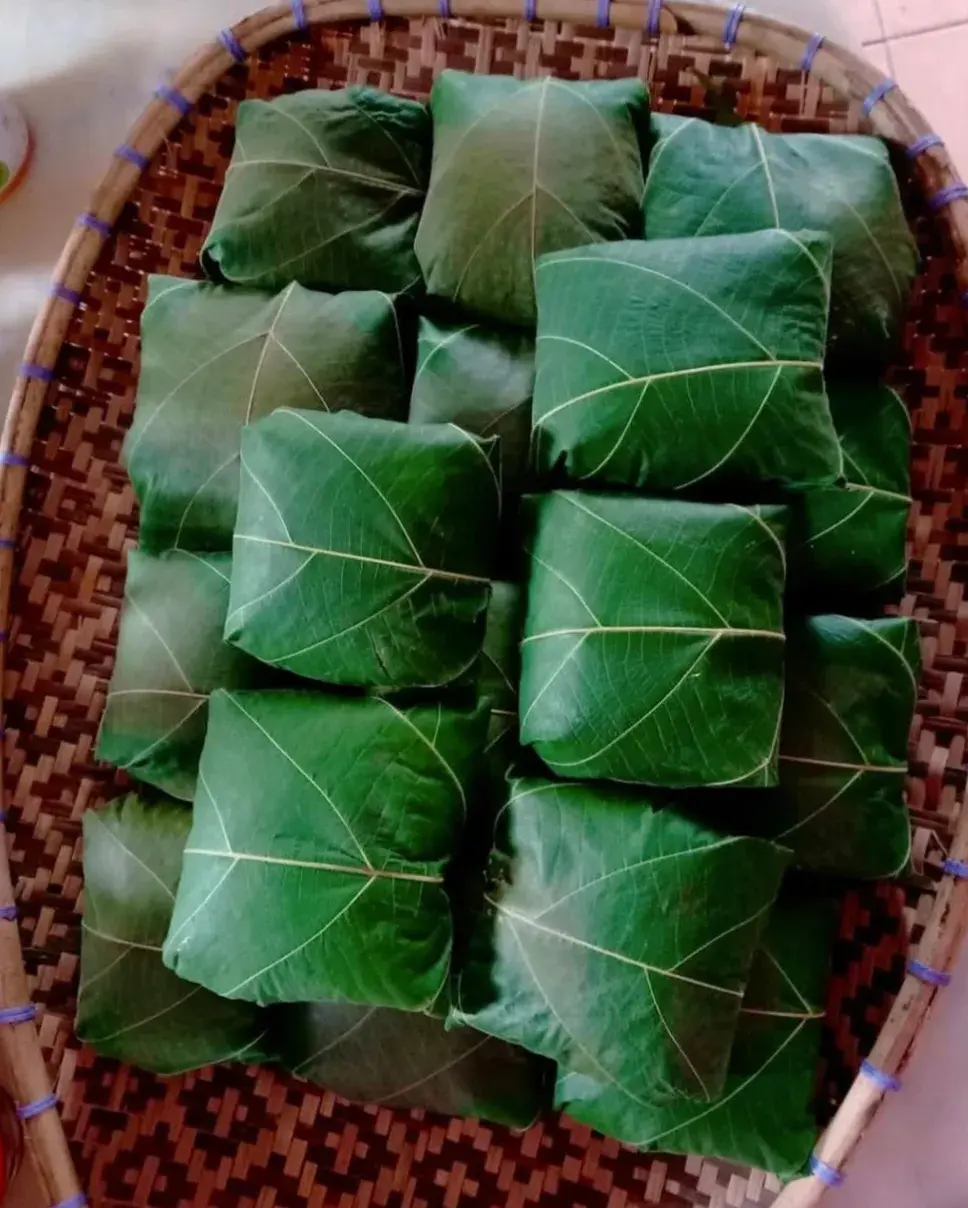
Linopot is rice, usually hill rice or a mix with sticky rice, wrapped in a doringin, tarap or banana leaf into a neat parcel. It is the traditional Kadazan-Dusun, Murut and Rungus way to carry and serve rice with side dishes.
Kadazan-Dusun
Hinompuka
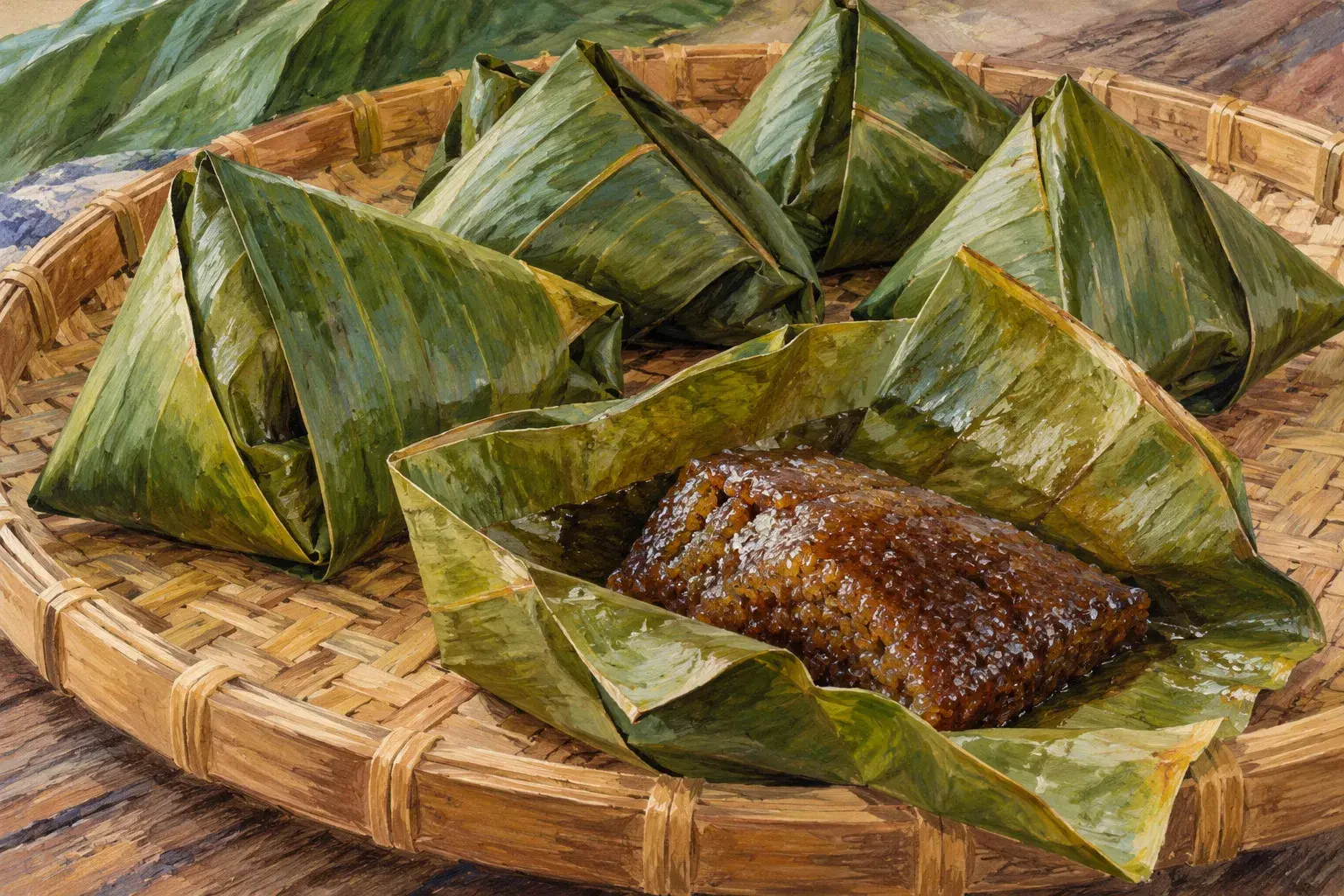
Hinompuka is a Kadazan-Dusun steamed rice cake made from glutinous rice flour and palm or brown sugar, wrapped in banana leaf. It is sweet, chewy and fragrant, and especially associated with the Kadazan of Penampang.
Map
Schematic map, not to scale. Select a town to see where to eat.
Frequently asked questions
Is Kota Kinabalu Muslim-friendly?
Yes. Halal food is widely available in KK, including Malay, Indian-Muslim and many seafood restaurants. Check certification for Chinese and Kadazan-Dusun restaurants.
Does pork-free mean halal?
No. Pork-free means there is no pork on the menu, but the kitchen may serve alcohol or use non-halal ingredients or suppliers. Halal requires certification or confirmed Muslim ownership and practice.
Related guides
Food guide
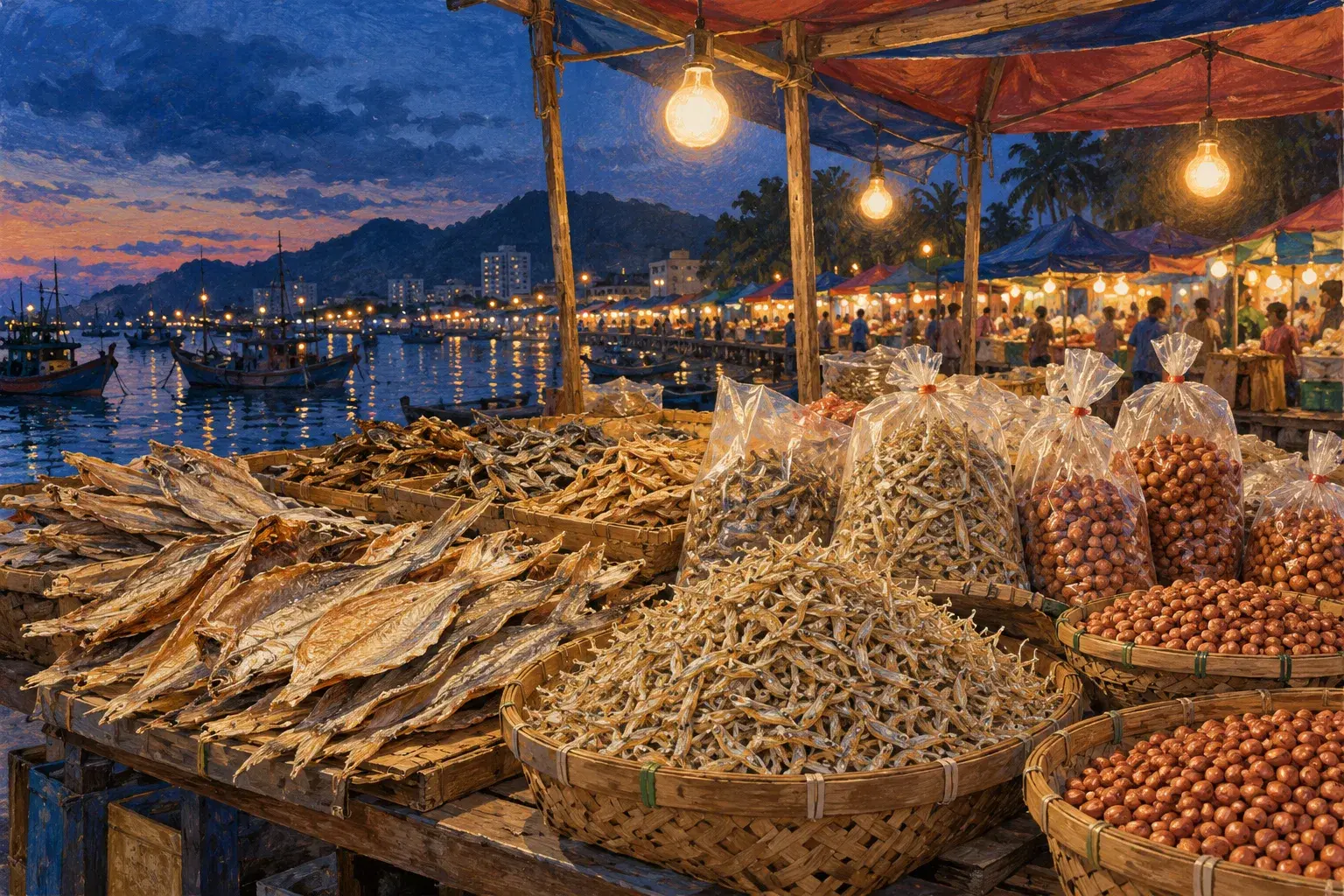
Best Food in Kota Kinabalu: What to Eat and Where
The dishes worth planning a KK trip around, from ngiu chap breakfasts to Kadazan-Dusun lunches and seafood by the kilo, and how to fit them into a day.
Updated
Food guide
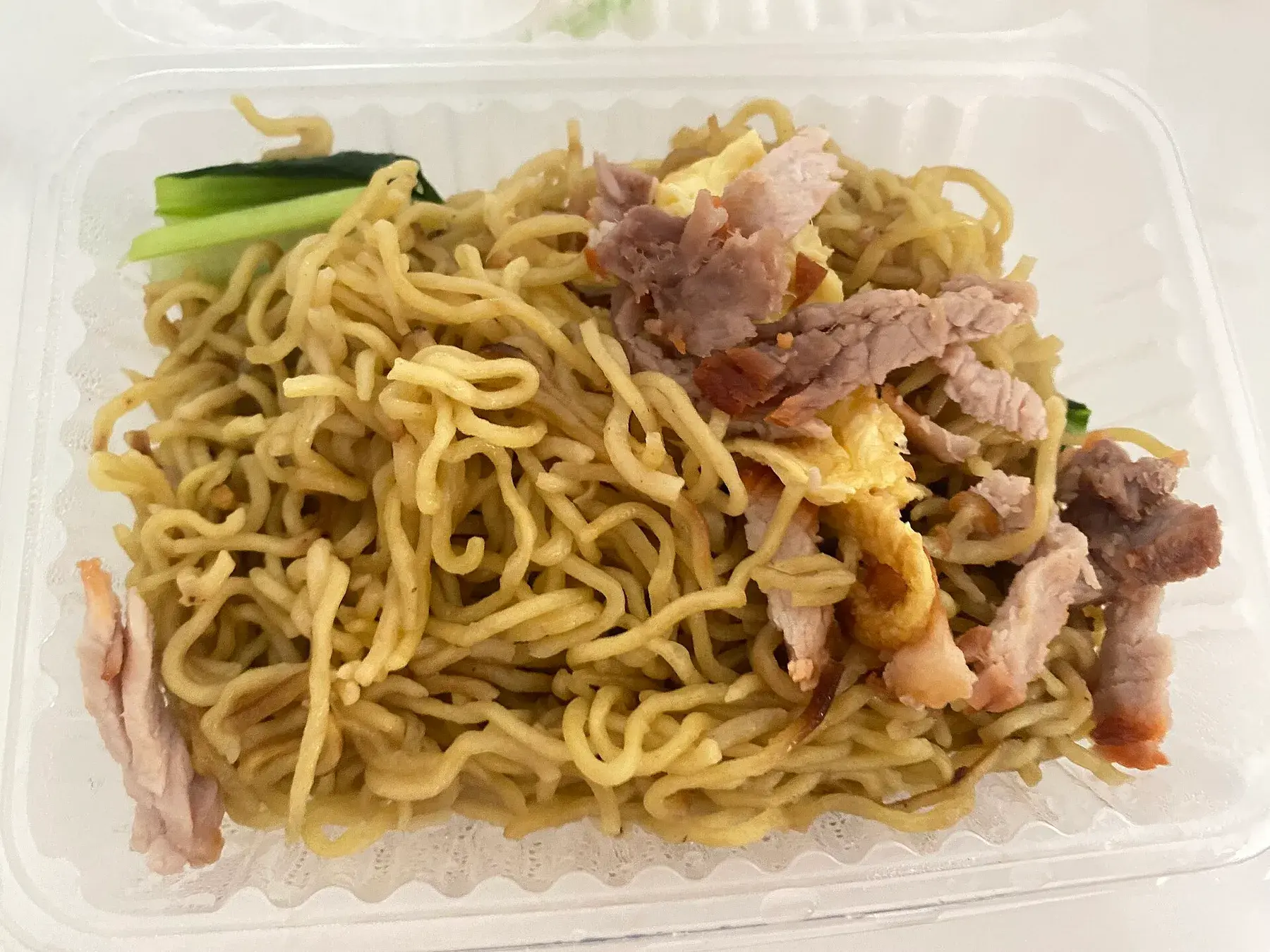
Best Breakfast in Kota Kinabalu
Where and what KK eats before 10am: beef noodles, fried egg noodles, kaya toast, kuih and kopi.
Updated