
Kadazan-Dusun · side
Hinava
Also called: Hinava ginapan
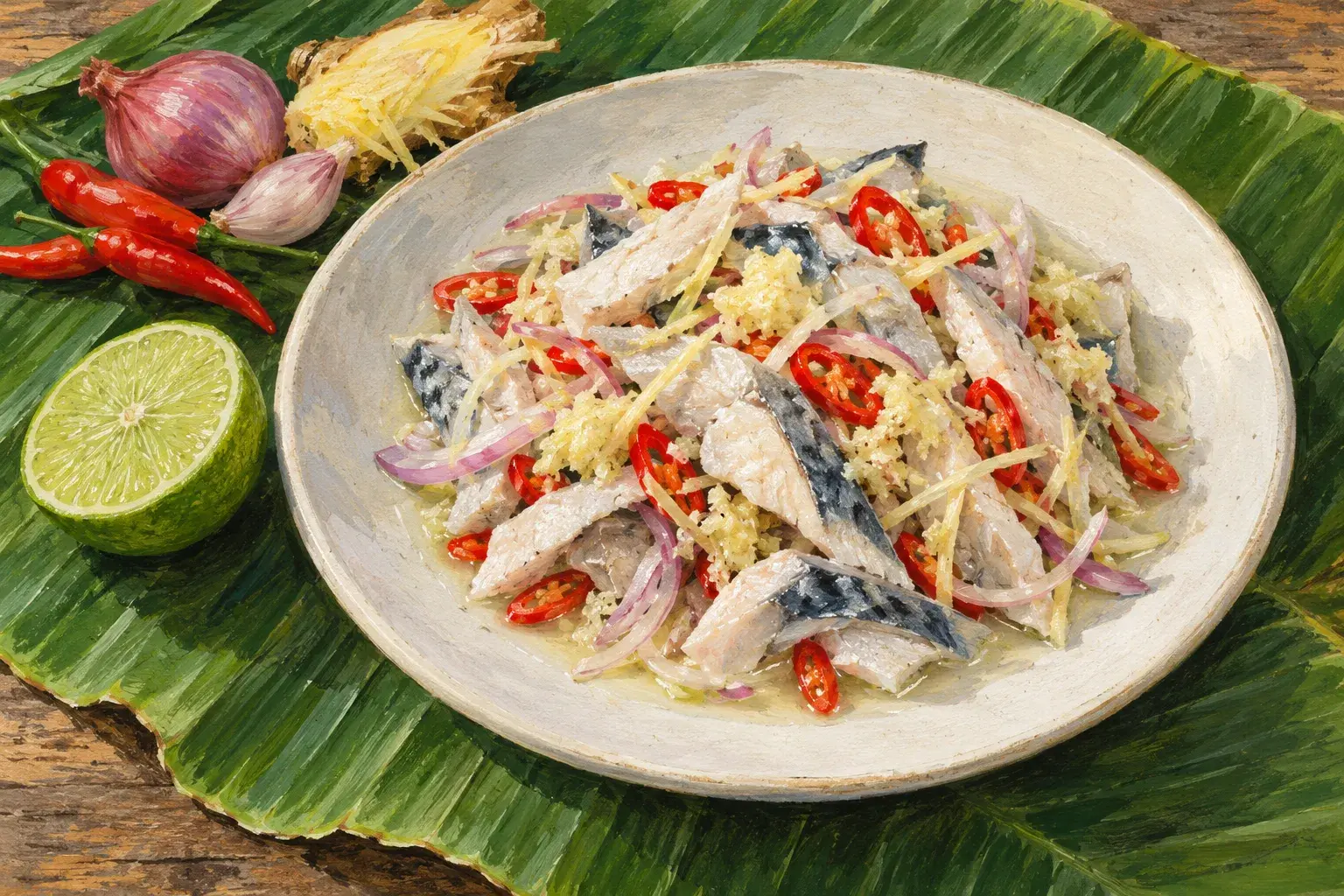
Hinava is a Kadazan-Dusun dish of raw fish cured in lime juice and tossed with chilli, shallot, ginger and grated bambangan seed. It is fresh, sour and sharp, and it's served as a side with rice.
- Sour
- Fresh
- Spicy
- Clean
Updated
| Origin | West Coast and interior Sabah |
|---|---|
| Community | Kadazan-Dusun |
| Type | side |
| Flavour | Sour, Fresh, Spicy, Clean |
| Typical price | RM6–15 per side portion |
| Where | Penampang, Kota Kinabalu, Kudat |
Origin and culture
Hinava is one of the defining dishes of the Kadazan-Dusun, Sabah's largest indigenous group. It is a fixture at the Kaamatan harvest festival in May and at weddings, engagements and other family gatherings, where a large bowl is shared alongside rice and other sides.
Malaysia's Department of National Heritage listed hinava as a national heritage food in 2009, together with umai, a similar raw-fish dish from neighbouring Sarawak.
Ingredients
Fresh firm fish
Mackerel (tenggiri) is most common
Lime juice
Cures the fish and turns it opaque
Bambangan seed
Grated, for a tart, slightly bitter edge
Bird's eye chilli
Shallots
Young ginger
Salt
What does Hinava taste like?
Bright and acidic first, then heat from chilli and a warm ginger finish. Good hinava tastes clean, not fishy. The fish should be firm, with a bite like ceviche.
How Hinava is made
- 1
The fish is filleted, skinned and sliced thinly, then soaked in plenty of lime juice until the flesh turns white and opaque.
- 2
Excess liquid is squeezed out before the fish is mixed with sliced chilli, shallot, julienned ginger, grated bambangan seed and salt.
- 3
It is served cold and usually eaten the same day.
Where to eat Hinava
Kadazan-Dusun restaurants in Penampang and Kota Kinabalu, stalls at the KDCA grounds during Kaamatan, and coastal stalls where fish is landed the same morning.
Restaurants serving Hinava
 Restaurant
Penampang · Kampung Pogunon
Borneo Spice
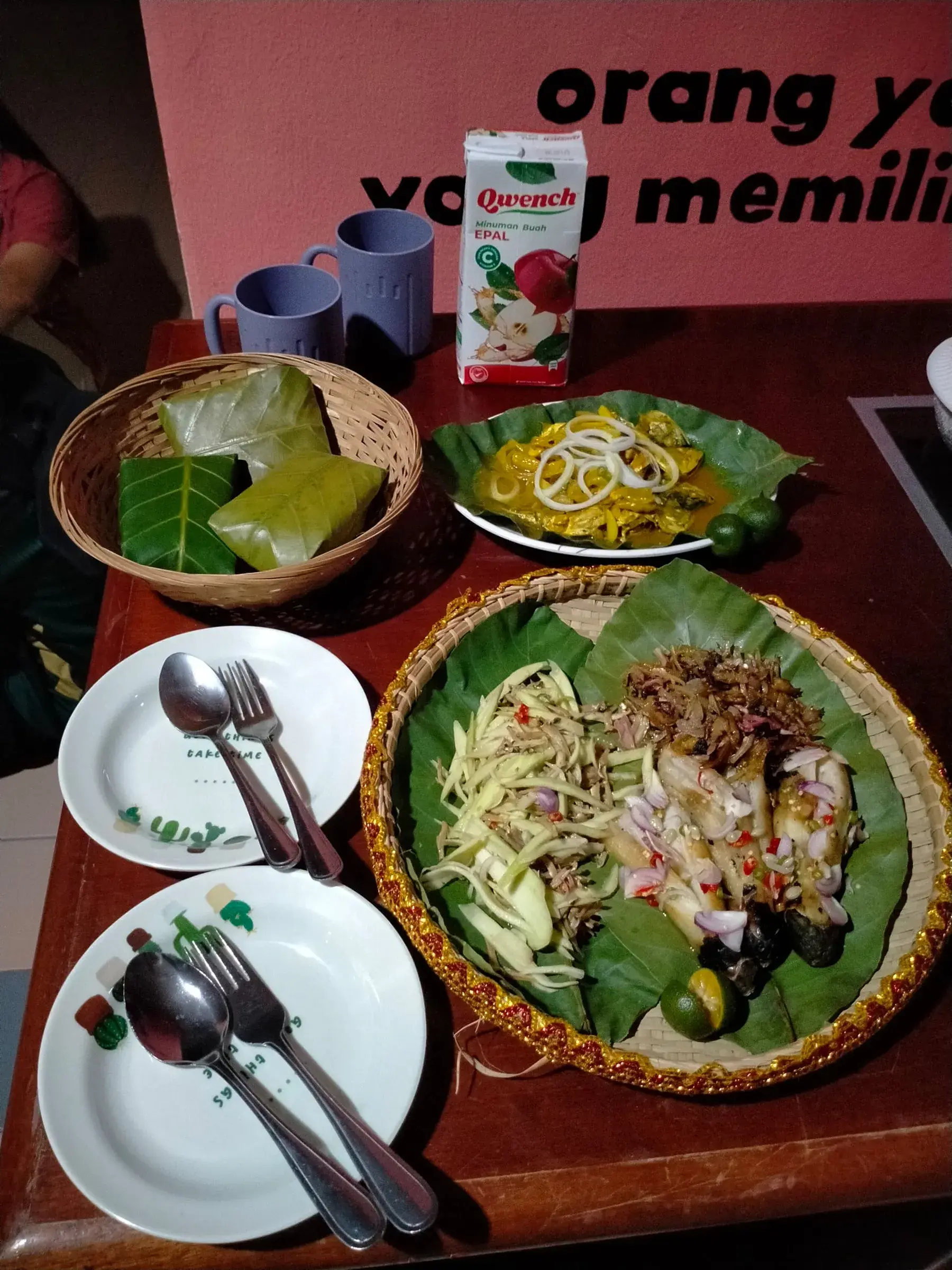
Sources mention: Siga set (ambuyat, pinasakan, hinava and sides), Hinava
Kadazan-DusunSabah LocalNon-halalResearched from 3 sources · not yet visited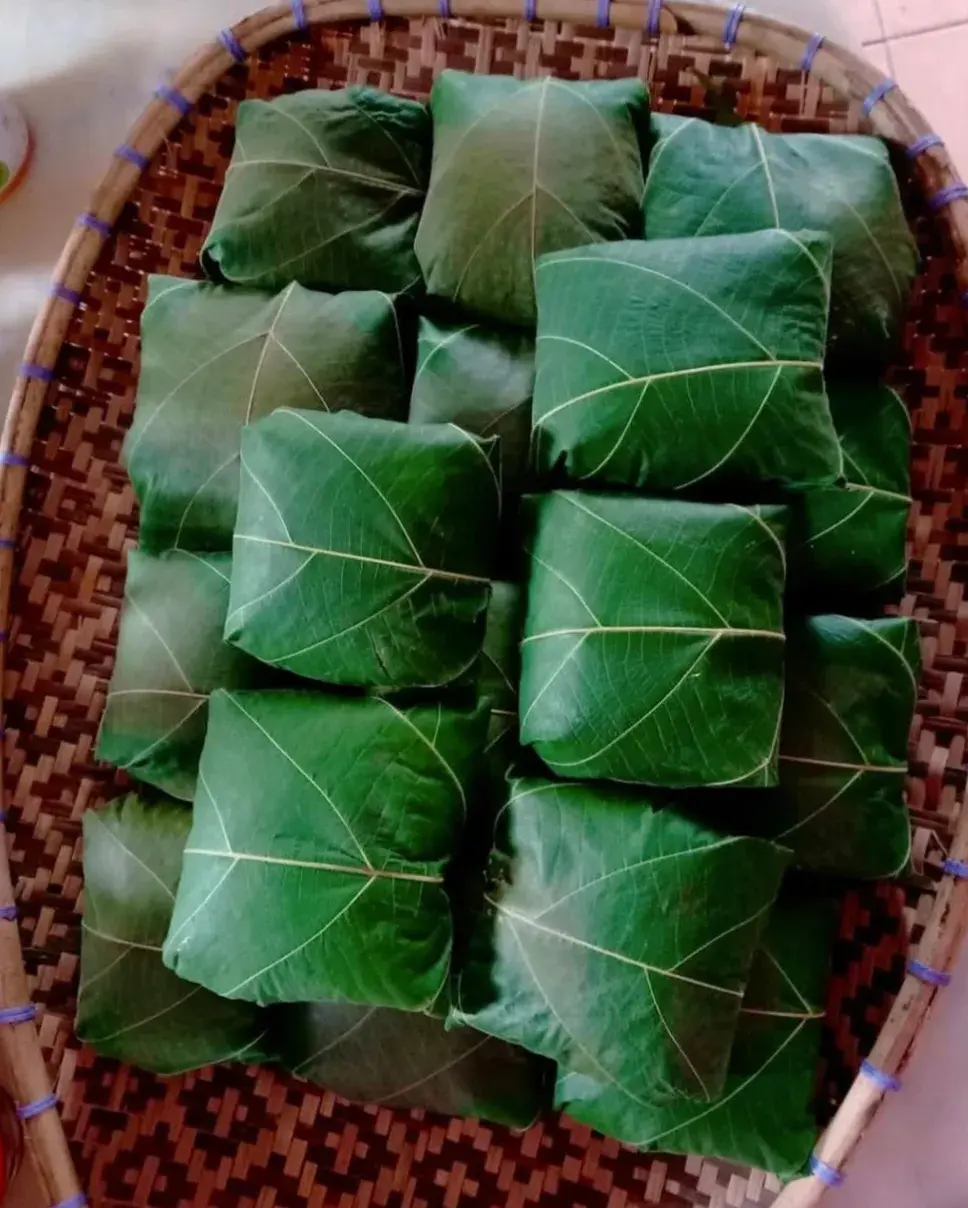 Cafe
CafePenampang · Pavilion Bundusan
Housia Cafe
Sources mention: Tavantang set (linopot, hinava, fried basung, tuhau), Hinava
Kadazan-DusunSabah LocalStatus unconfirmedResearched from 2 sources · not yet visited
Is Hinava halal? Dietary notes
The ingredients are halal by nature (fish, lime, vegetables). Whether a particular serving is halal depends on the kitchen it comes from. Kadazan-Dusun restaurants often serve pork and rice wine too, so check the restaurant's status.
| Pork | No pork |
|---|---|
| Seafood | Contains seafood |
| Vegetarian | No |
| Raw | Served raw. Eat only very fresh, same-day versions. |
Hinava FAQ
Is hinava raw fish?
Yes. Hinava is made with raw fish that is cured in lime juice rather than cooked with heat. The acid firms the flesh and turns it opaque, much like ceviche.
What is the difference between hinava and umai?
Both are raw fish cured with acid. Hinava is the Kadazan-Dusun dish from Sabah and typically includes grated bambangan seed and ginger. Umai comes from Sarawak's Melanau community and varies in ingredients.
Is hinava safe to eat?
Hinava is safe when made with very fresh fish from a trusted source and eaten on the day it is prepared. People who are pregnant or immunocompromised are generally advised to avoid raw fish.
Sources and further reading
- Hinava, Wikipedia. Accessed 6 October 2026
- Mangifera pajang (bambangan), Wikipedia. Accessed 6 October 2026
Related dishes
Kadazan-Dusun
Bambangan
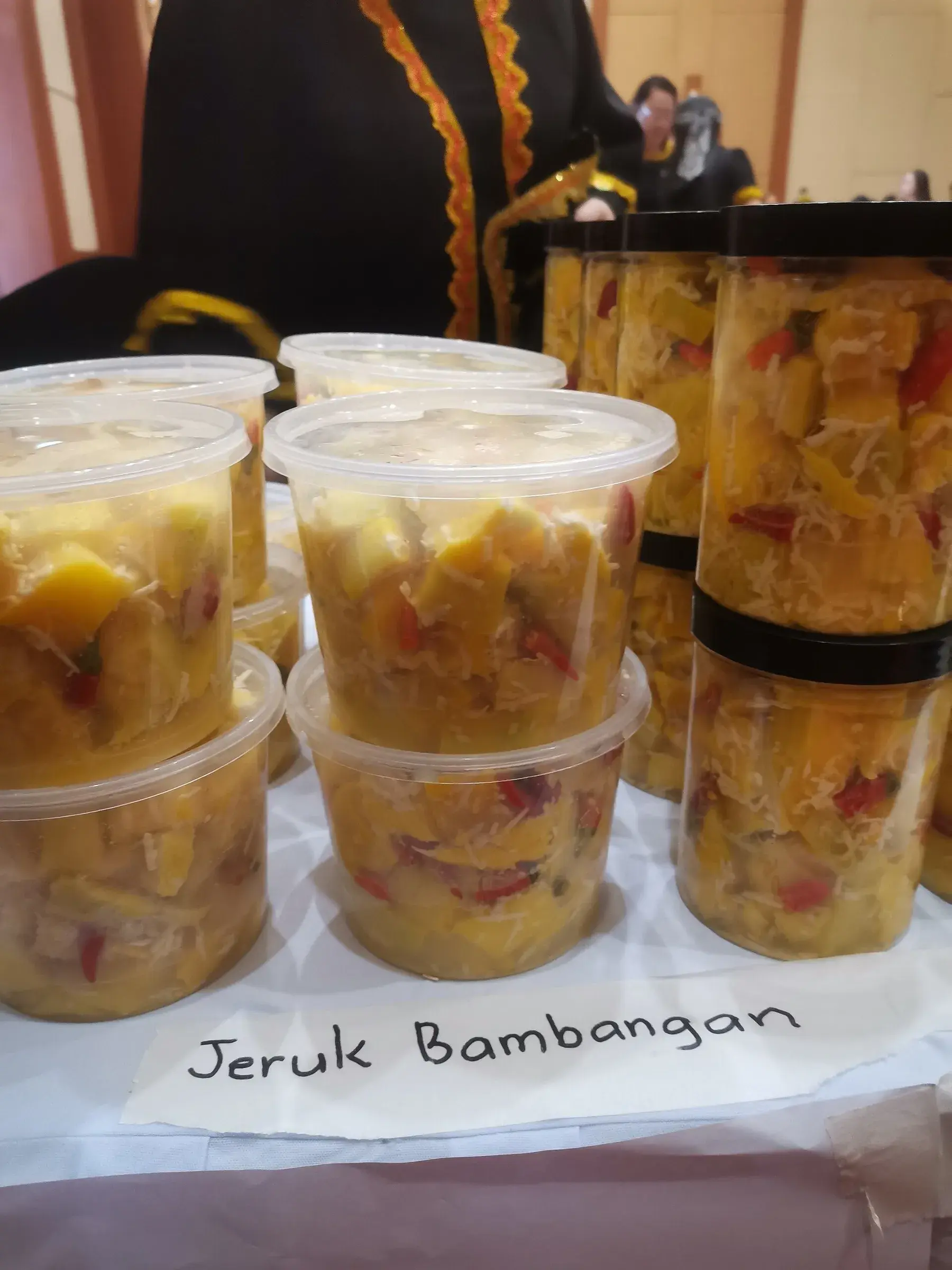
Bambangan is a large wild mango (Mangifera pajang) native to Borneo, with rough brown skin and bright yellow-orange flesh. In Sabah it is best known pickled with salt and its own grated seed, as a sour relish for rice.
Kadazan-Dusun
Pinasakan
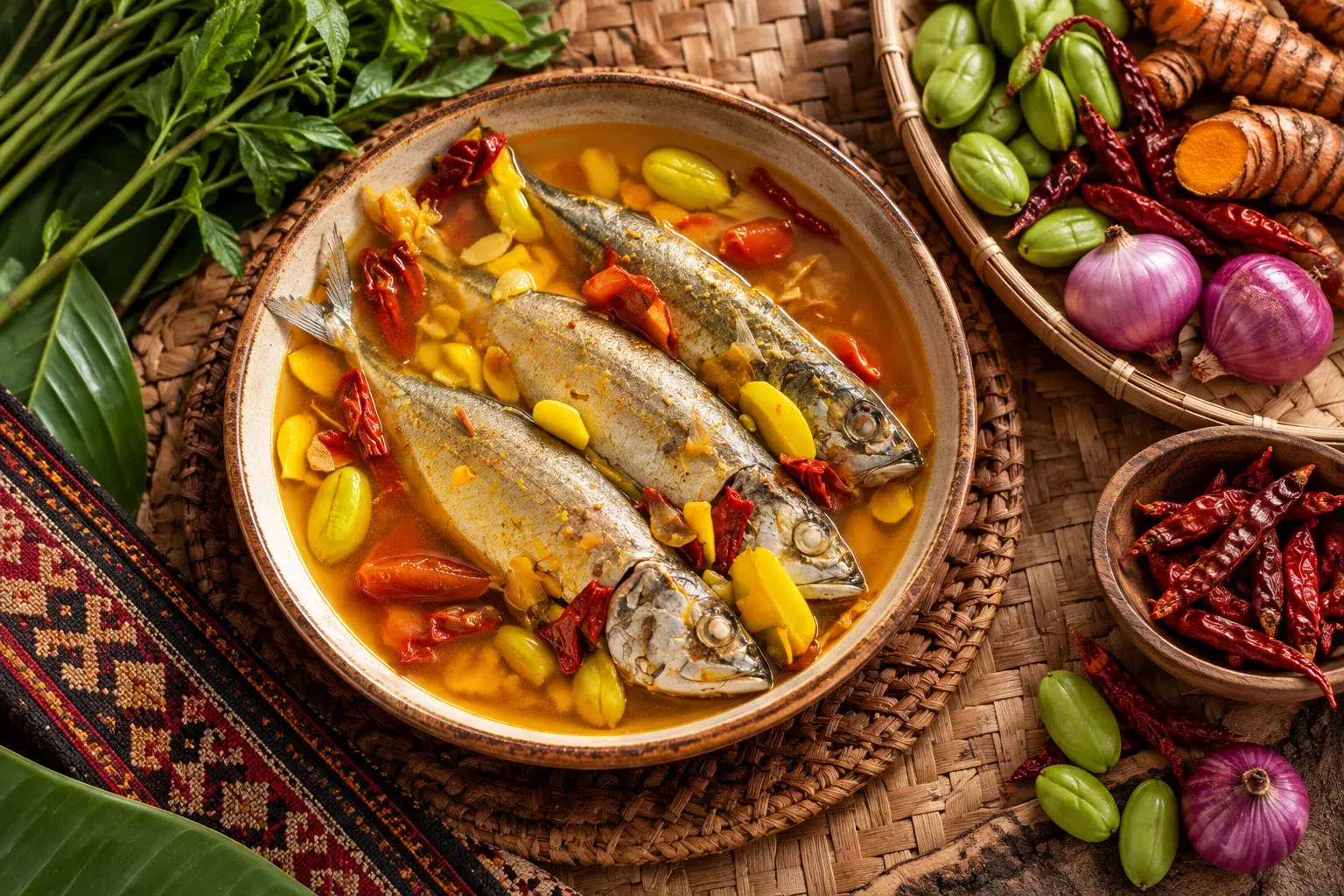
Pinasakan (pinaasakan sada) is a Kadazan-Dusun dish of fish, often mackerel scad, simmered without oil in a sour broth of takob akob fruit, turmeric and salt until the liquid reduces and the fish keeps for days.
Kadazan-Dusun
Tuhau
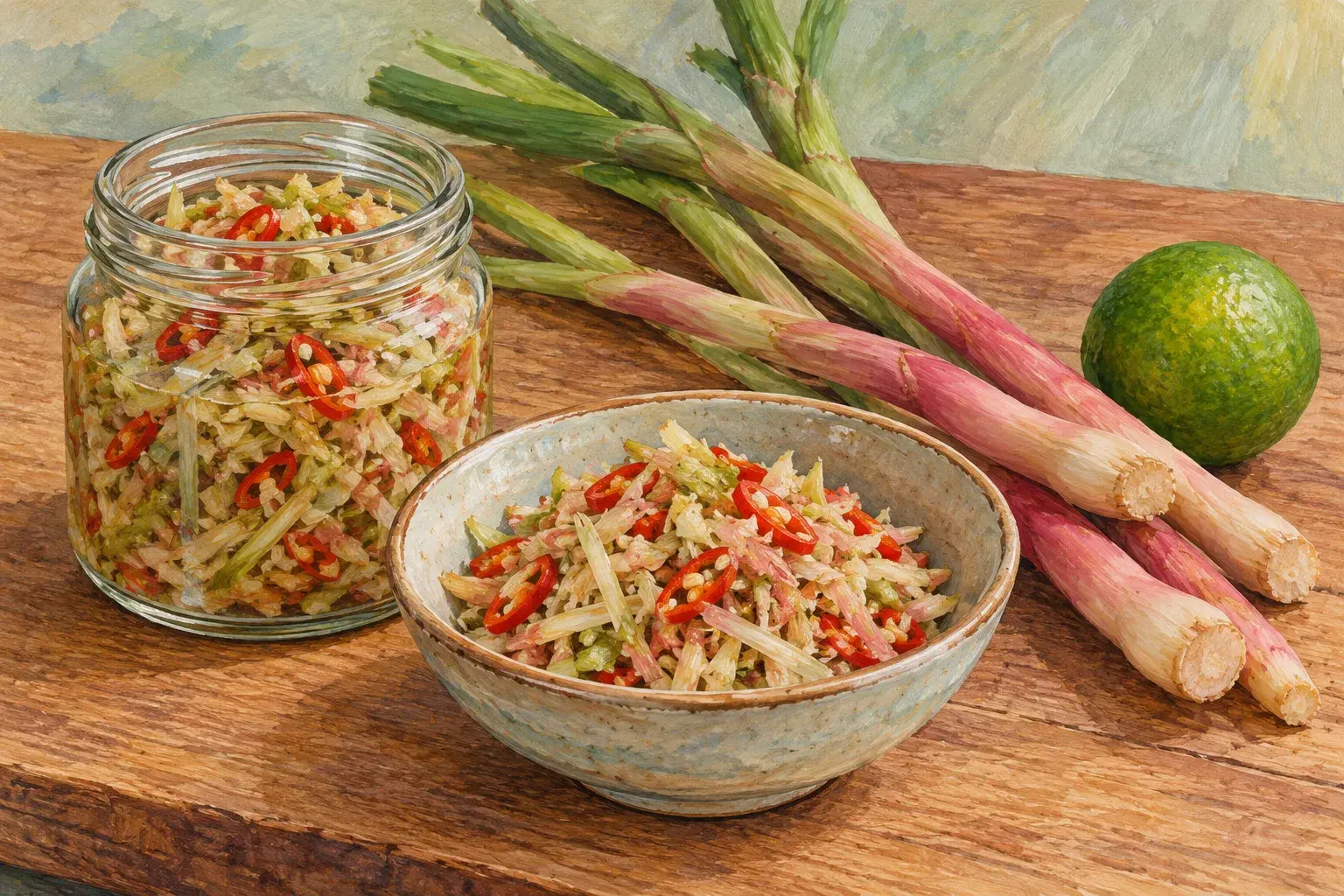
Tuhau is a pungent Kadazan-Dusun and Murut relish made from the stems of a wild ginger (Etlingera coccinea), chopped and mixed with chilli, lime or vinegar and salt. It is eaten in small amounts with rice and fish.
Kadazan-Dusun
Linopot
Linopot is rice, usually hill rice or a mix with sticky rice, wrapped in a doringin, tarap or banana leaf into a neat parcel. It is the traditional Kadazan-Dusun, Murut and Rungus way to carry and serve rice with side dishes.
Guides and trips with Hinava
Food guide
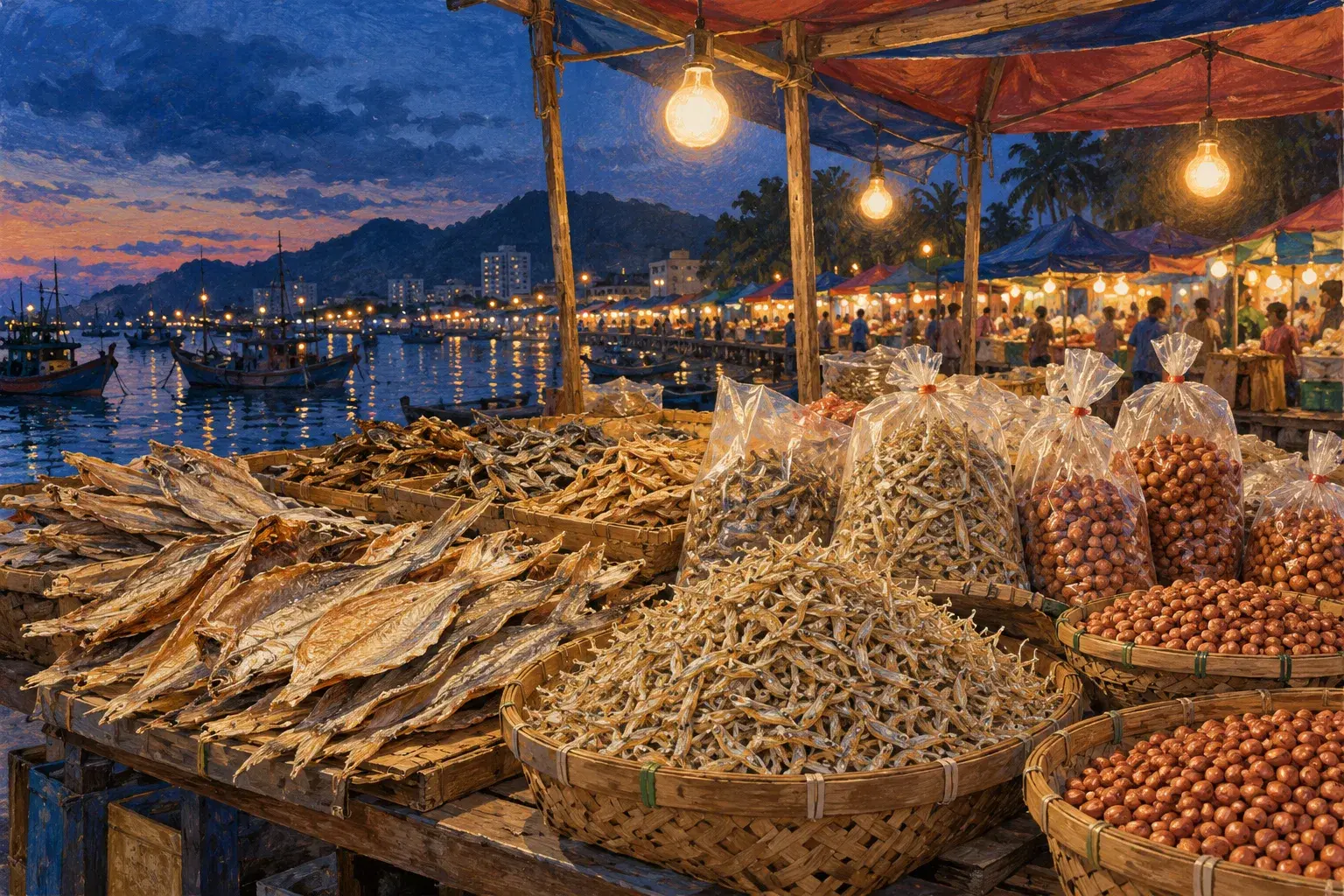
Best Food in Kota Kinabalu: What to Eat and Where
The dishes worth planning a KK trip around, from ngiu chap breakfasts to Kadazan-Dusun lunches and seafood by the kilo, and how to fit them into a day.
Updated
Food guide
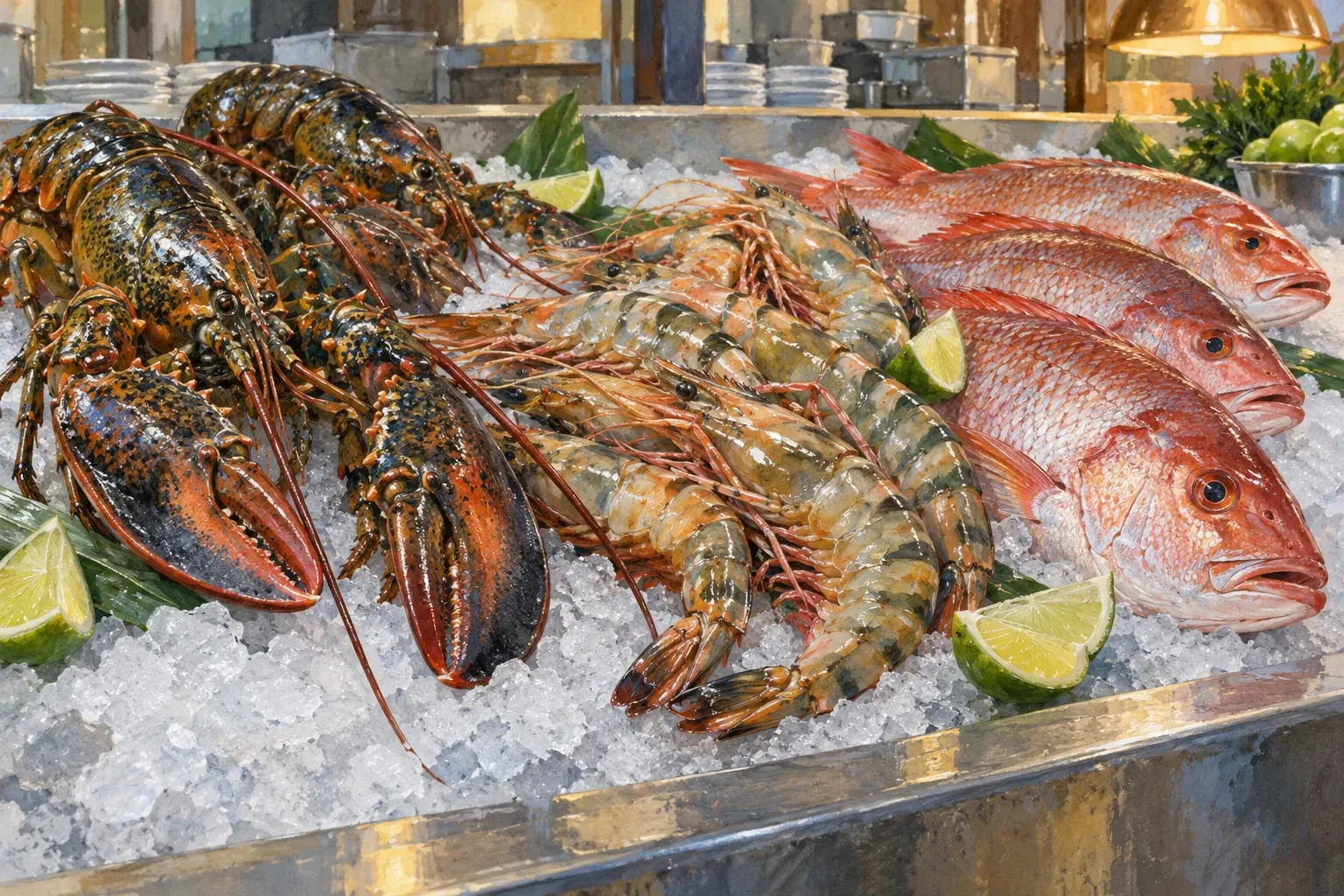
Best Seafood in Kota Kinabalu
How to order seafood by weight in KK, which styles to choose, and when the night market is the better deal.
Updated
Food guide
Halal Food in Kota Kinabalu: A Practical Guide
How to find halal and Muslim-friendly food in KK, what 'pork-free' really means, and which local dishes are naturally halal.
Updated
- 3-day plan
Food & travel
Kota Kinabalu Food Itinerary: 3 Days of Eating
Three days in and around KK: city noodles, a Kadazan-Dusun day in Penampang, and a Tuaran noodle run.