
Tapai and Lihing: Sabah's Rice Wines Explained
The two rice wines you'll be offered at Kaamatan and Kadazan-Dusun meals: how they're made, how strong they are, and how they're drunk.
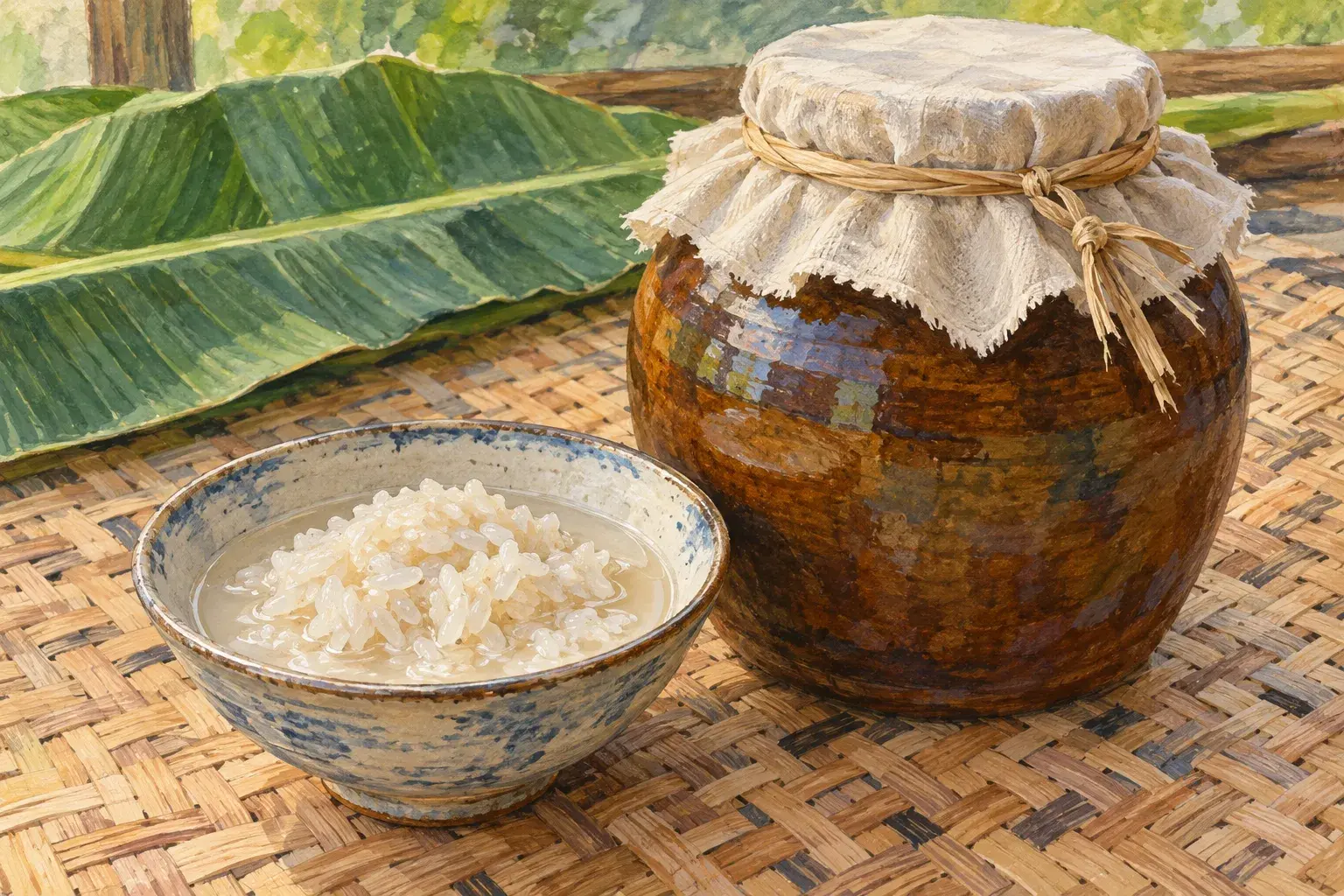
Tapai and lihing are traditional rice wines of Sabah's Kadazan-Dusun communities, often brewed at home and served at celebrations such as the Kaamatan harvest festival. Both are alcoholic.
How strong are they?
Stronger than most grape wine. Free Malaysia Today reported in 2019 that Sabah rice wine usually has 13% to 21% alcohol, against about 12% for commercial wine; other summaries put Sabah tapai at 10% to 20%.
Tapai
Tapai is fermented rice. Cooked rice is mixed with a yeast starter, called laru or ragi, and left to age in a tajau, a large ceramic jar.
At gatherings it has traditionally been drunk straight from the jar through a shared straw, a practice called siopon. Health officials in Penampang have encouraged the tumpung instead: tapai poured into a small container for each drinker, which lowers the risk of spreading tuberculosis.
Lihing
Lihing is made from glutinous rice and a natural yeast called sasad. Malaysia's National Department for Culture and Arts says it ferments for two to three months, against one to two weeks for kinomol, a shorter-fermented rice wine, and that the longer fermentation gives lihing more alcohol.
It is sweet and usually drunk chilled, and Penampang, next to Kota Kinabalu, is especially known for it. Lihing is also a cooking ingredient: it goes into sup manuk lihing, a chicken soup, and into some versions of Tuaran mee.
Sources and further reading
- Kinomol and Lihing: introduction and history, National Department for Culture and Arts (JKKN). Accessed 10 October 2026
- Sabah's rice wine makers go exotic and eye expanding markets, Free Malaysia Today. Accessed 10 October 2026
- Tapai, Wikipedia. Accessed 10 October 2026
- Sabahan tapai maker preserves art of brewing that has been passed down for generations, Options, The Edge Malaysia. Accessed 10 October 2026
- Drink tapai from tumpung: Sabata, Daily Express. Accessed 10 October 2026
- Lihing, Wikipedia. Accessed 10 October 2026
- Kaamatan, Wikipedia. Accessed 10 October 2026
Updated
More stories
Markets & Tamu
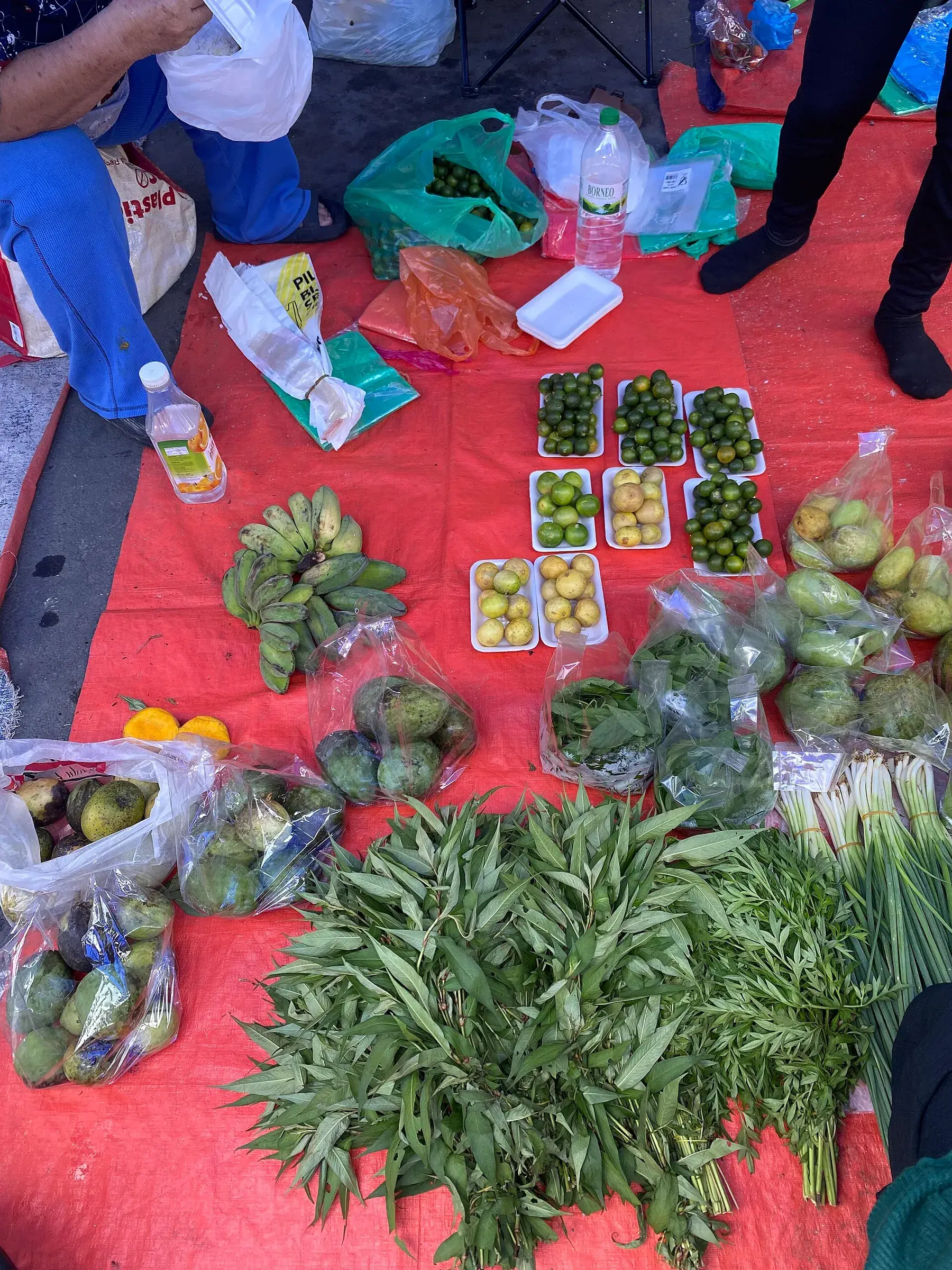
What Is a Tamu? A Visitor's Guide to Sabah's Weekly Markets
Sabah's tamu are open-air village markets where farmers, fishers and cooks trade every week. Here's how to visit one and what to eat.

Coffee & Drinks
How to Order Kopi in Sabah: A Coffee-Shop Cheat Sheet
Kopi, kopi-O, kopi-C, peng, kosong: what the words mean and how to get the coffee you actually want in a Sabah kopitiam.
Food Culture
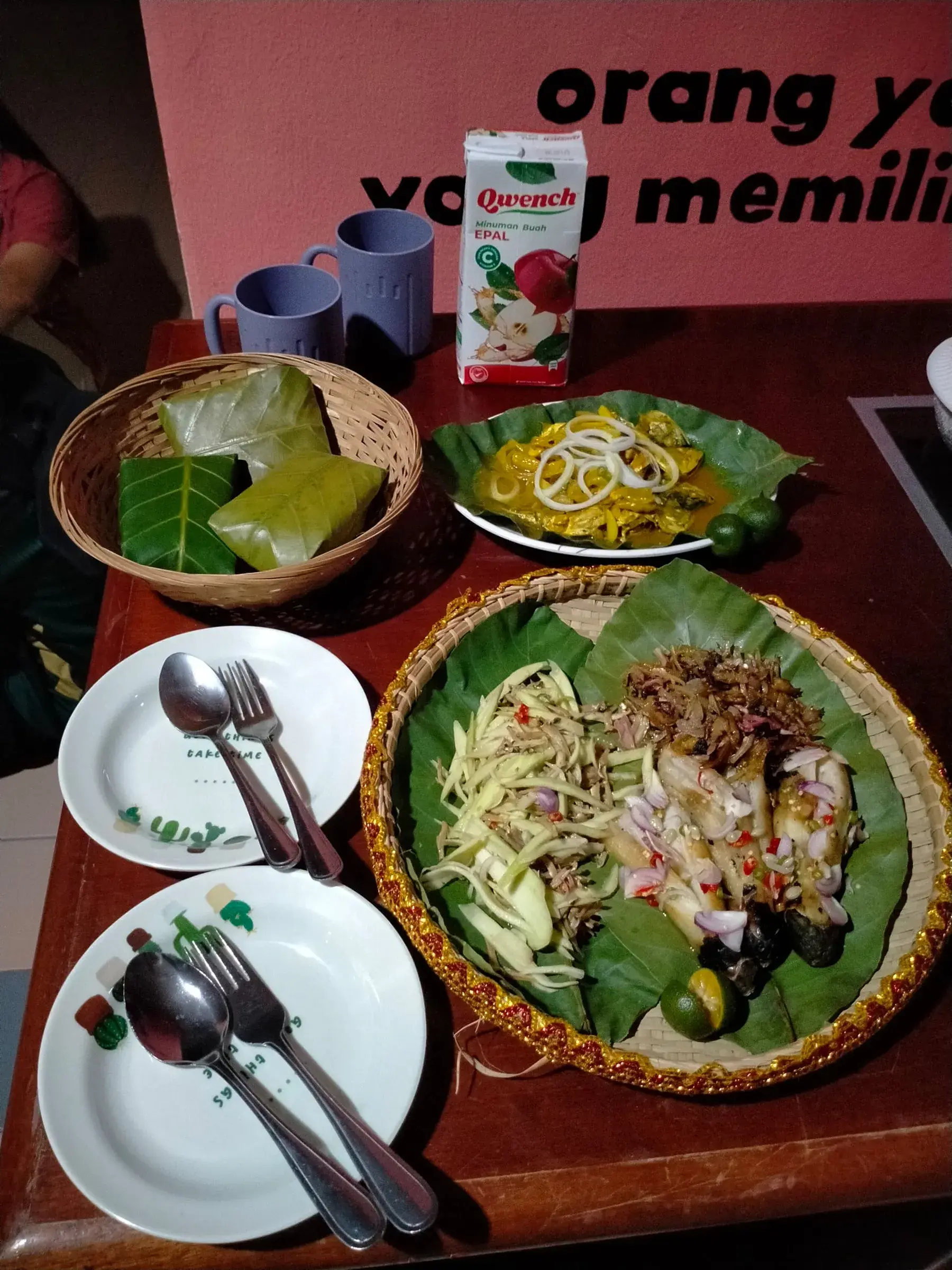
Kaamatan Food: What to Eat at Sabah's Harvest Festival
Kaamatan, the Kadazan-Dusun harvest festival, is the best time of year to eat traditional Sabah food. Here is what to look for at the stalls.