
A Beginner's Guide to Sabah Kuih
What kuih means, why Sabah's are often fried and crunchy, and how to tell pinjaram, kuih cincin, hinompuka and kuih jala apart.
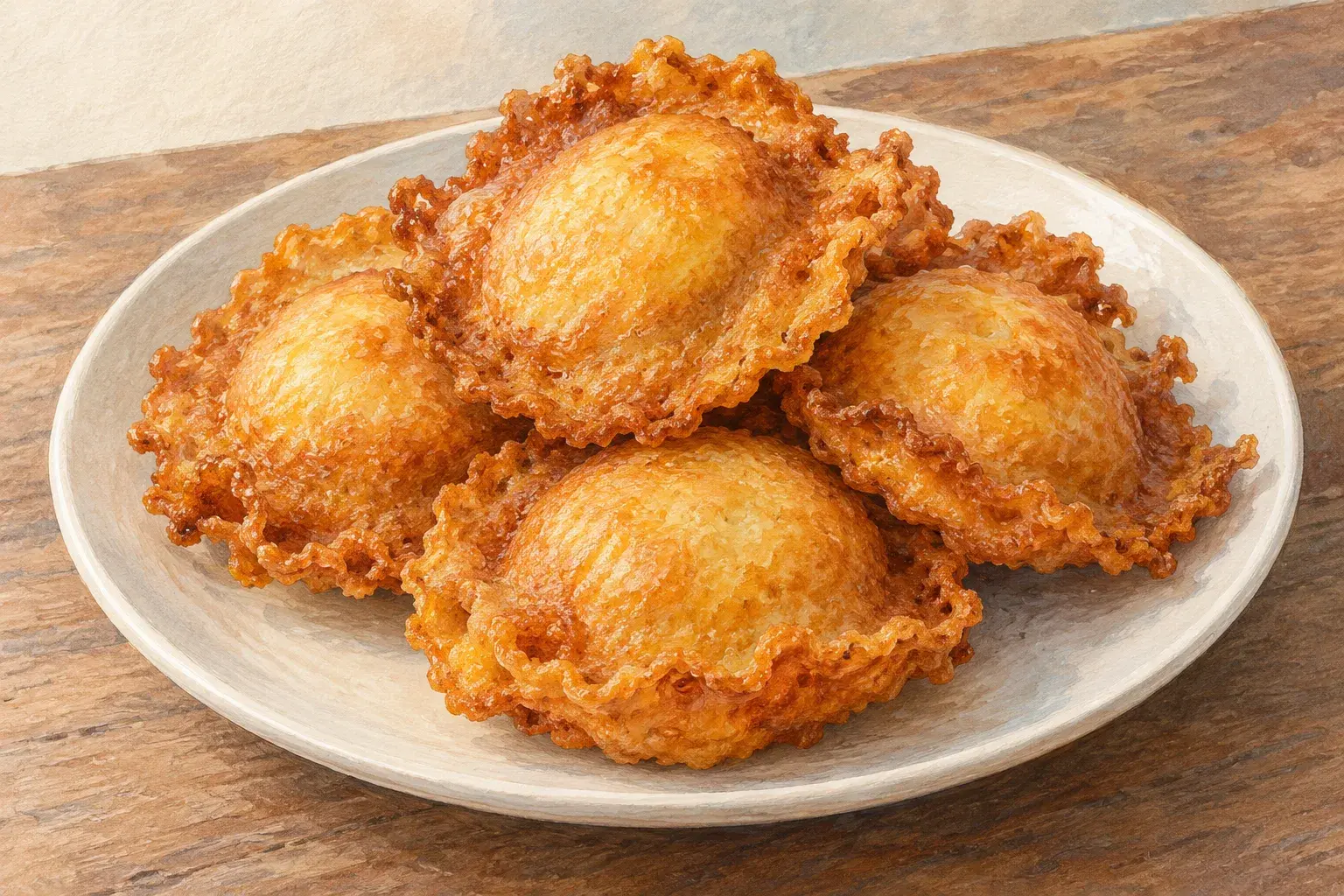
Kuih (also spelt kueh, or kue in Indonesia) are bite-sized snacks and sweets eaten across Southeast Asia, especially in the Malay Archipelago. The word comes from the Southern Min koé. There is no single English equivalent: depending on the kind, a kuih is closer to a cake, a fritter or a biscuit.
Why Sabah kuih are often crunchy
Many kuih in Peninsular Malaysia, Singapore and Brunei are steamed, which keeps them soft. Kuih made by Sabah's indigenous communities are more often fried, so many of them are crisp or crunchy.
Kuih to try
- Pinjaram (penyaram): a round cake of rice flour, cornflour, coconut milk and sugar, crisp at the edge and soft in the middle. Its flying-saucer shape earns it the nickname 'UFO cake'. It is a traditional snack of the Bajau and Bruneian Malay communities, and in Sabah you'll see original, pandan and brown-sugar versions.
- Kuih cincin: crunchy ring-shaped biscuits made with rice flour and nipah palm sugar, a traditional snack of Sabah's Brunei Malay and Bajau communities.
- Hinompuka: a Kadazan-Dusun cake of glutinous rice flour, coconut milk and brown sugar, steamed rather than fried, and often served at the Kaamatan harvest festival.
- Kuih jala: a 'net cake'. A batter of rice flour, sugar and water is poured through a coconut shell pierced with small holes and fried into a sweet, crisp lattice.
Sources and further reading
- Kuih, Wikipedia. Accessed 10 October 2026
- Pinjaram, Wikipedia. Accessed 10 October 2026
- Kuih Pinjaram, the UFO Cake of Sabah, MySabah.com. Accessed 10 October 2026
- Cincin (kuih cincin), Wikipedia. Accessed 10 October 2026
- Kuih Cincin, the Ring Cookie, MySabah.com. Accessed 10 October 2026
- Hinompuka, kuih tradisional kaum Kadazandusun, iLoveBorneo. Accessed 10 October 2026
- Kuih Jala (Net Cake), MySabah.com. Accessed 10 October 2026
- Kuih pinjaram at Sabah's tamu, Sabah Tourism Board. Accessed 10 October 2026
Updated
More stories
Markets & Tamu
What Is a Tamu? A Visitor's Guide to Sabah's Weekly Markets
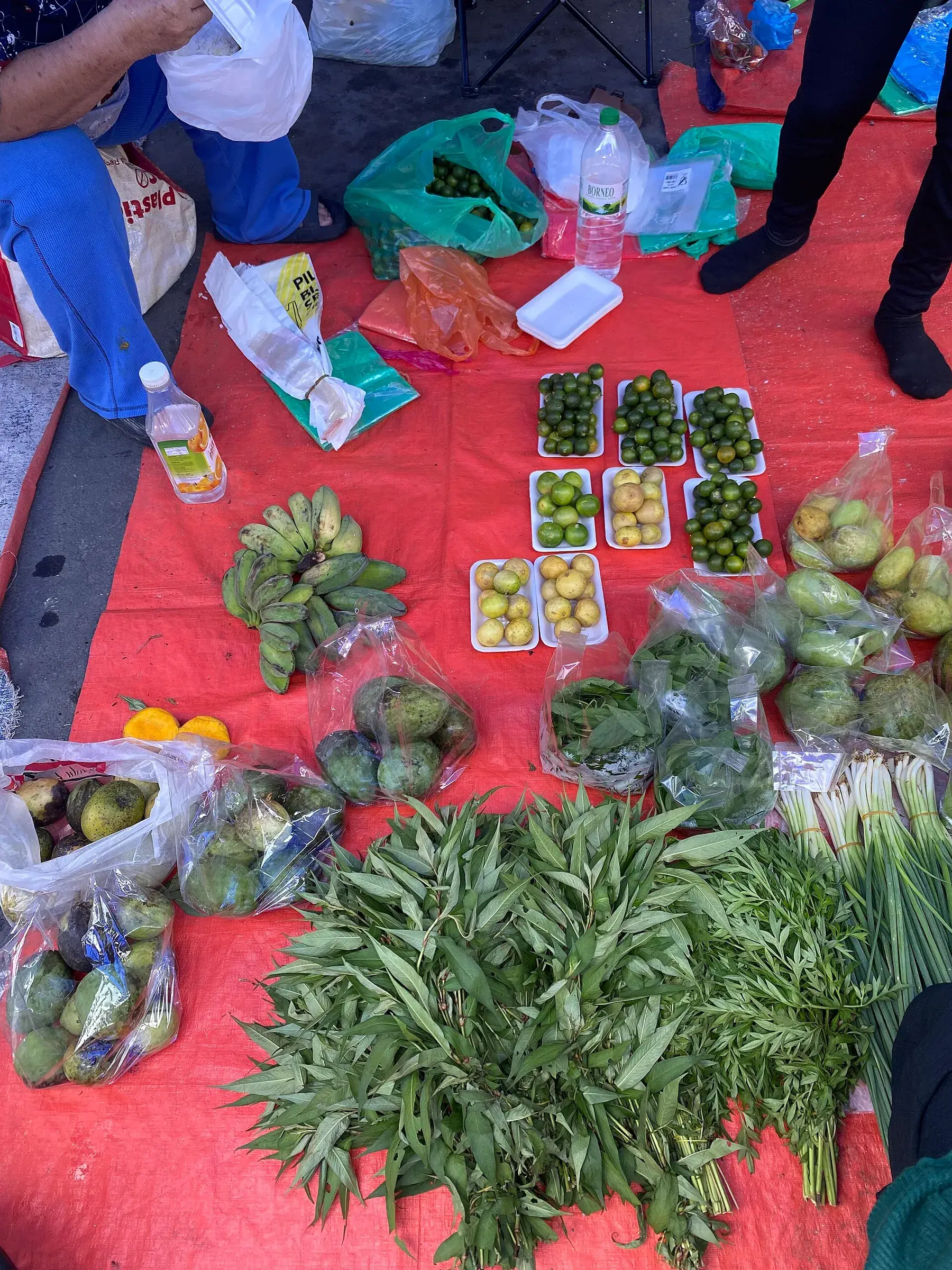
Sabah's tamu are open-air village markets where farmers, fishers and cooks trade every week. Here's how to visit one and what to eat.
Coffee & Drinks
How to Order Kopi in Sabah: A Coffee-Shop Cheat Sheet
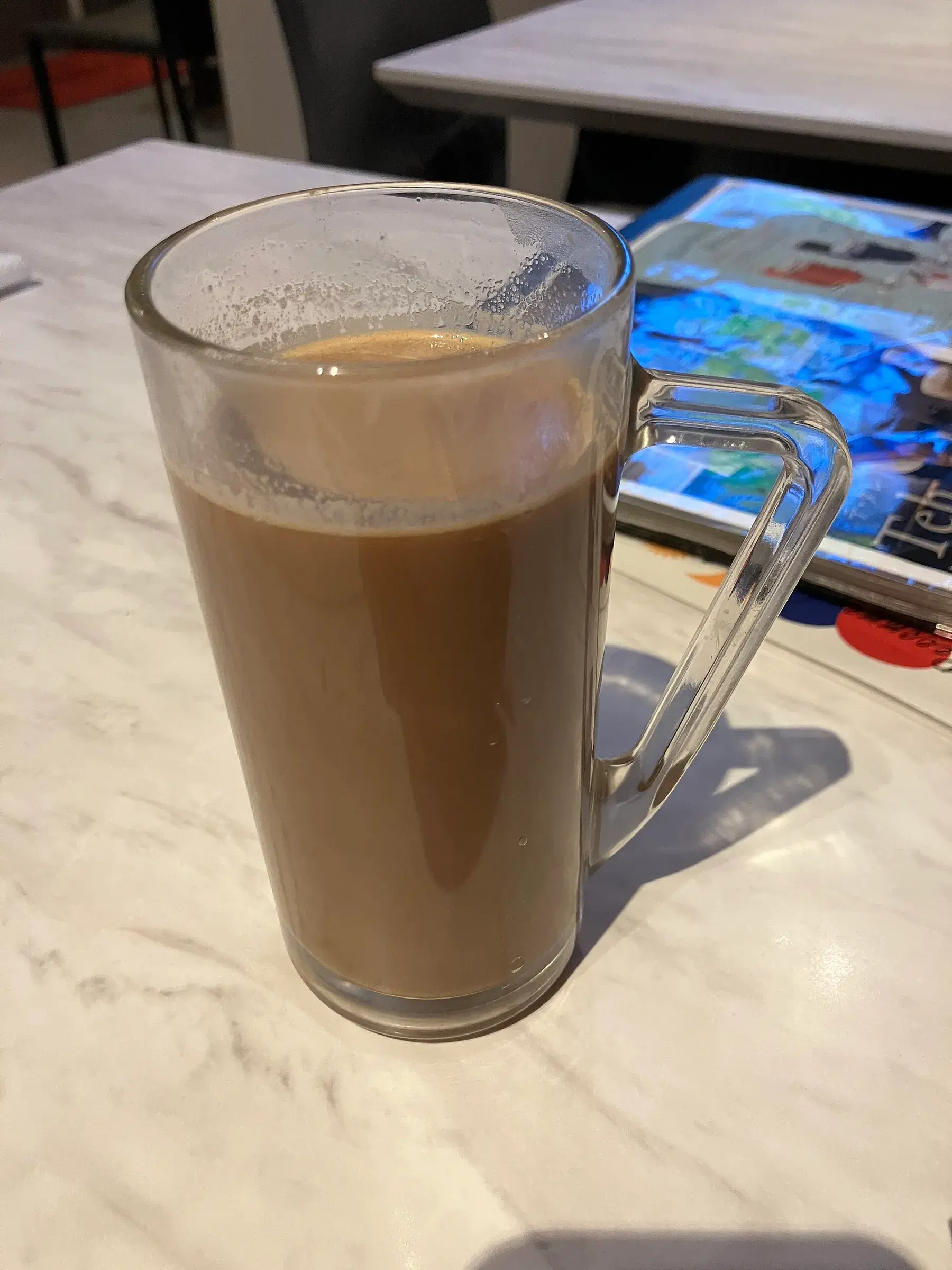
Kopi, kopi-O, kopi-C, peng, kosong: what the words mean and how to get the coffee you actually want in a Sabah kopitiam.
Food Culture
Kaamatan Food: What to Eat at Sabah's Harvest Festival
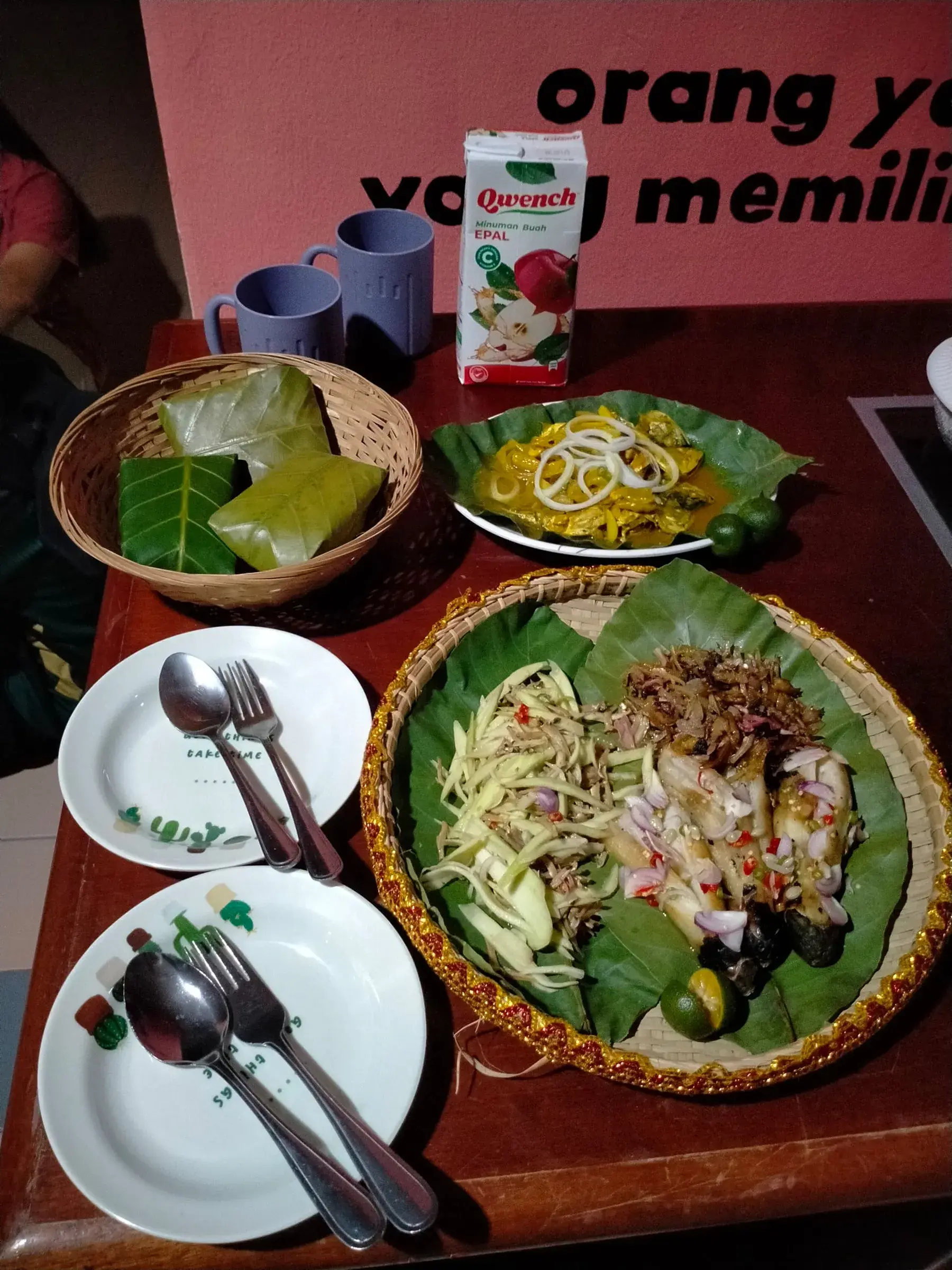
Kaamatan, the Kadazan-Dusun harvest festival, is the best time of year to eat traditional Sabah food. Here is what to look for at the stalls.